Shopping note: retailer links in this guide are ordinary direct links. If a link becomes an affiliate link, it will be identified and we may earn a commission. Read our disclosure.
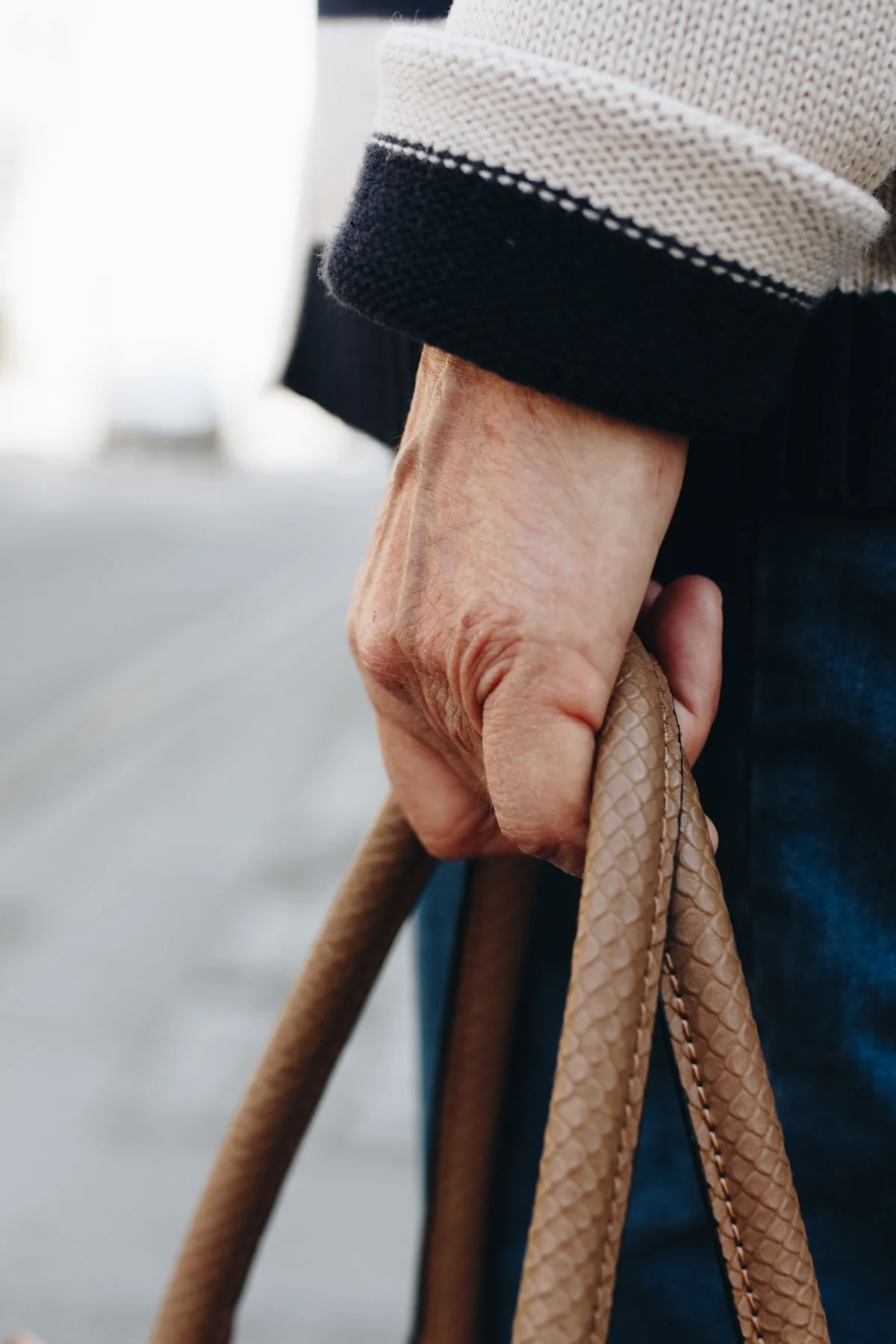
A bag-handle close-up can look informative while a hand still hides the point you wanted to understand. Before asking a seller for more photographs, name the precise area and question. The useful exchange should clarify the actual item rather than produce a larger collection of attractive exterior views. This matters whether the bag is current, secondhand or simply being reviewed from an incomplete product page.
Read what is already available
Identify the exact bag and relevant variant. Similar textured brown accessories can have different construction. Keep the product identity beside the image rather than relying on a colour or a general shape to find it later.
Read the description and review every available relevant view. A new photo request should address a real gap, not duplicate a detail already shown clearly. Keep a supplied condition observation separate from your own interpretation of the image.
Name the missing view plainly
Ask for the accessible area where the handle meets the bag if that is what remains obscured. If the concern is a visible mark, name its position without assigning a cause from appearance. A close crop should also have enough overall context to connect it to the exact item.
Do not ask someone to force, bend or load an unfamiliar component to prove a guessed property. A demonstration is not a substitute for relevant product information or an appropriate assessment of an item whose condition remains uncertain.
Keep observation and conclusion separate
A change of colour or an altered-looking stitch can support a question. It does not by itself establish material, history or a repair method. Neutral wording makes it easier for the other person to explain what is actually known.
Preserve an unresolved point rather than completing the record with the most reassuring assumption. Waiting or using an already suitable owned bag can remain a practical outcome when the available information does not support the decision you need to make.
Connect the detail to a carrying role
Name the ordinary belongings and activity the bag would serve. Read intended-use information rather than inferring a carrying limit from handle thickness or appearance. A decorative interest and a daily carrying need are different questions.
A familiar owned bag can help clarify the role you seek without transferring its properties to another product. The comparison should describe your practical preference, not promise identical behaviour from similar-looking handles.
Retain the useful answer with the product
Save relevant clarification and images with the actual listing identity through the appropriate purchase process. A folder of disconnected handle details can become less useful than one clear answered question.
If ordering, follow applicable purchase and product guidance while comparing the received identity and visible details with the information relied on. A specific photo question lets an appealing bag remain a considered choice while respecting what an image can show and what still needs an honest answer.
Related reading
An Everyday Bag Guide That Starts With What You Carry, Strap Drop with the Coat You Actually Wear.
Our approach: practical editorial guidance, without claims of hands-on product testing. How we make recommendations.





