Shopping note: retailer links in this guide are ordinary direct links. If a link becomes an affiliate link, it will be identified and we may earn a commission. Read our disclosure.
A city weekend often contains more changes of pace than changes of clothes: an early train, a long museum afternoon, dinner in a small restaurant and a slow walk for coffee. The useful packing question is which garments can move between those moments without making the day harder. Start with the actual activities on your calendar, then leave space for an unplanned stop.
This edit is built around two nights away, ordinary city walking and a modest bag. Adapt the quantities to your own needs and the forecast. It is a decision framework, rather than a reason to replace a perfectly serviceable wardrobe.
Write down the three most demanding moments
Identify the longest walking day, the most dressed-up reservation and the earliest departure. Those three moments usually reveal the constraints: supportive shoes, a suitable evening layer and something comfortable enough to sit in. If dinner has a stated dress code, check the venue directly before choosing an outfit. A vague idea of a glamorous city is a less useful guide than a real booking.
Lay out a complete outfit for each moment, including socks and outerwear. Look for overlapping pieces after that exercise. A shirt that works open over a T-shirt during the day and buttoned with trousers at dinner earns its place. A delicate top that needs a second pair of shoes and a special bra carries a larger packing cost.
Choose one dependable walking outfit
Build the daytime base from trousers or a skirt you already tolerate for several hours, a breathable top and shoes with enough room for your usual socks. Consider the surfaces you expect to encounter. A sleek sole may look elegant but feel inconvenient on wet paving; a bulky hiking shoe can be unnecessary for a short urban route.
Before departure, wear the whole outfit while carrying your packed bag around the house. Bend, sit and reach into every pocket. Notice whether a waistband presses under the bag strap or a jacket sleeve bunches. This simple rehearsal exposes awkward combinations that individual mirror checks can miss. New shoes should not become essential on the first morning of the trip.
Make the evening change small
An evening outfit can be the daytime base with a cleaner neckline, a neat belt or a different outer layer. Set aside one top in a fabric that travels reasonably well, and keep it away from shoes and toiletries. If your accommodation has no convenient place to hang clothes, an outfit that depends on pressing is a fragile plan.
Choose a second pair of shoes only when it solves a real requirement. A flat that packs down can be useful for a dressier meal, but it should still fit securely. Buy for the activities you repeat at home as well as this weekend. Skip a single-purpose evening accessory if the bag or jewelry you already own completes the outfit.
Treat weather as a layer problem
Check the local forecast shortly before leaving, then choose layers that can be removed without filling the whole bag. A light knit and a suitable outer shell offer more flexibility than one very warm coat when temperatures change between outdoors and public transport. Rain protection should suit the amount of time outside, rather than the destination name.
A compact umbrella has a place when you can carry it comfortably and conditions allow it. A hooded layer keeps both hands available, but its fabric and closures deserve inspection. When shopping, check pocket access with the coat fastened, whether the hood obstructs your view and whether the garment actually carries the weather protection you need in its published description.
Leave a deliberate pocket of space
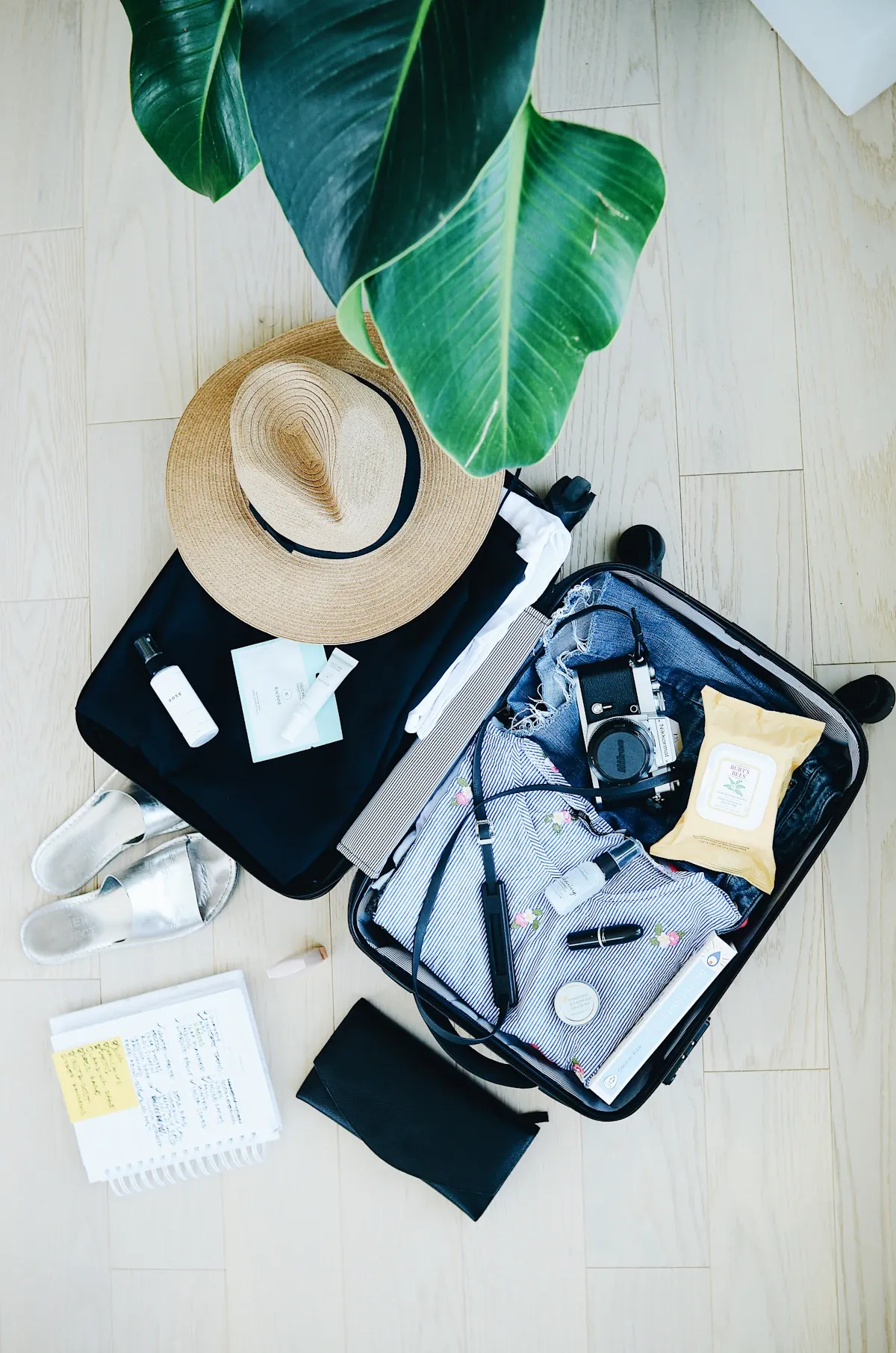
Pack toiletries in a contained pouch and put frequently needed items where they can be reached without unpacking clothes. Keep a reusable tote folded near the top for a grocery stop or an extra layer. Avoid filling every small compartment before you have added chargers, medication you normally carry and the documents required for your journey.
The best purchase may be nothing. Buy a replacement bag when the current one is genuinely uncomfortable or badly arranged for your needs; skip an extra organizer that merely makes the same load heavier. Before closing the case, remove one optional outfit and check that each remaining garment has a named use. Space makes packing at the end of the weekend easier too.
BROWSE WITH A PLAN
Where to begin your search
Use the checks above when comparing current assortments at UNIQLO, Nordstrom, MUJI. These links go to retailer websites; they are starting points for your own comparison, rather than endorsements of every item.
Before ordering, confirm the current composition, measurements, care instructions, delivery cost and return conditions for the exact item. Availability and terms can change.
Your questions, considered
How many outfits do two nights away require?
Start with one travel outfit, one alternate top and the essentials your plans require. Add a full extra outfit only when weather, a dress code or a particularly messy activity makes it useful.
Should every piece match every other piece?
No. Aim for several complete combinations you actually like. A small set of reliable outfits is more useful than a theoretical capsule with dozens of combinations you would never wear.
Our approach: practical editorial guidance, without claims of hands-on product testing. How we make recommendations.