Shopping note: retailer links in this guide are ordinary direct links. If a link becomes an affiliate link, it will be identified and we may earn a commission. Read our disclosure.
The phrase everyday bag means very different things to someone carrying a laptop and someone leaving home with a phone, keys and a paperback. Shopping by appearance alone can leave you with a beautiful bag that is either too small or unnecessarily cumbersome.
Empty your current bag before looking for another one. Separate the things you used this week from the things you keep carrying out of habit. This small inventory gives you a more useful specification than a trend name or a retailer's general size description.
Measure the belongings that cannot change
A laptop, tablet, document folder or water bottle may set the minimum useful dimensions. Compare the item's measurements with the bag's interior, including any sleeve and the width of its opening. External measurements do not always tell you whether an object can fit through the closure.
If you shop in person, ask whether you can test the fit with your normal belongings. For online orders, keep packaging until you have checked capacity under the return conditions. Do not force a device into a tight space simply because the bag is described as suitable for work.
Choose a carrying method you enjoy
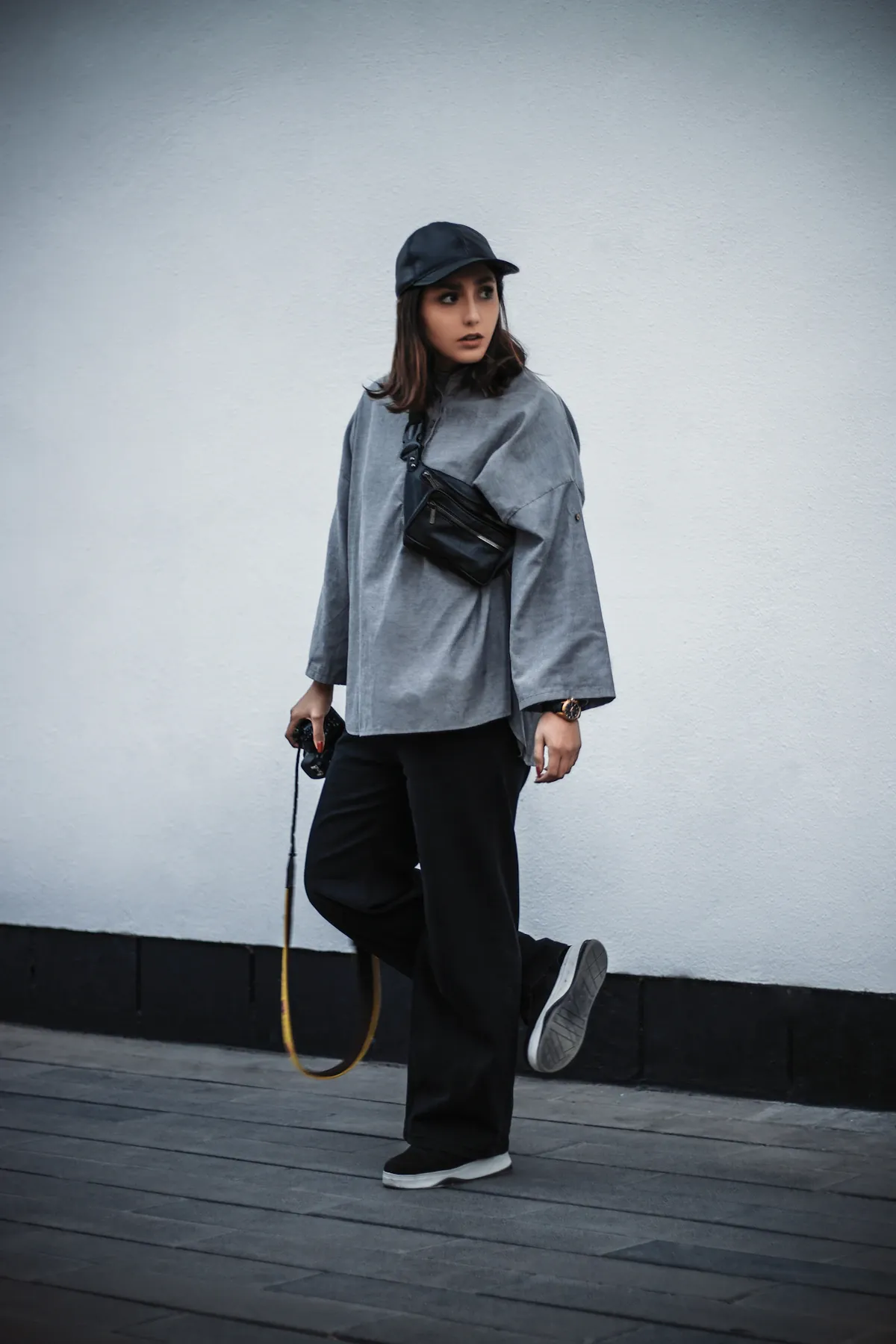
A shoulder bag, crossbody and tote distribute their bulk differently. Try the strap over the coat or jacket you wear most, then walk and reach for the opening. Notice whether the bag slips, swings into your body or requires a hand to stay in place.
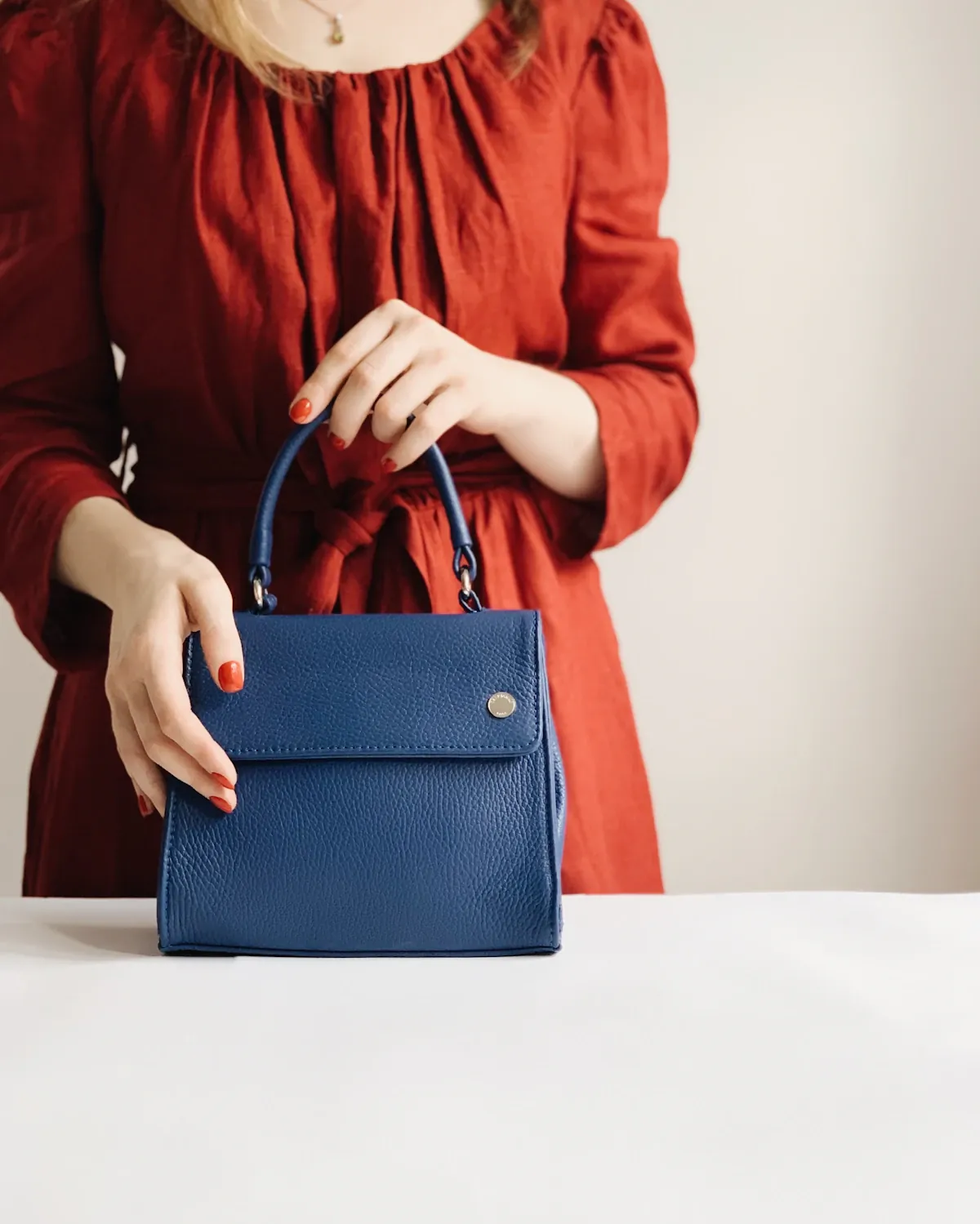
Check adjustable strap limits rather than assuming they will suit you. If the bag has handles and a long strap, assess both arrangements; a handle can become awkward decoration when you never use it. Buy the carrying method that fits your routine, not the one that looks best held still.
Include the empty bag's weight
Lift the bag before adding anything, then consider the load it will carry on an ordinary day. Hardware, structure and thick materials can add weight. You may enjoy those qualities, but they deserve the same attention as capacity and appearance.
A larger bag can encourage you to carry more than you need. If you repeatedly find your tote uncomfortable, try reducing its contents before replacing it with an even bigger model. The right size leaves useful room without turning every journey into an opportunity to bring everything.
Make organization suit your habits
Think about how you retrieve keys, a travel card and your phone. A small accessible compartment may help more than numerous internal pockets. Test whether closures can be used comfortably while the bag is on your shoulder, and whether the lining makes small items easy to find.
Too many compartments can divide space you need for larger objects. A simple interior plus a removable pouch may give more flexibility. Skip elaborate organization if you tend to drop everything into one section anyway; pay for features you will actually use.
Read material and care information together
Consider where the bag will rest: office floors, cafe chairs, public transport or the passenger seat of a car. Inspect the base, corners, seams and fastening. Look at the maker's care instructions and decide whether you are comfortable maintaining that finish.
Do not assume a material is weatherproof or maintenance-free because of its appearance. Confirm specific claims in the product information. A pale or delicate finish can be a pleasing choice, but buy it with realistic expectations about the situations in which you want to carry it.
Check wardrobe compatibility and cost
Try the bag against your usual outerwear and at least two everyday outfits. It need not match your shoes exactly, but it should feel comfortable with the colors and proportions you repeat. Consider whether it serves work, weekends or a narrower role.
Buy when the bag fits your fixed essentials, stays comfortable when carried and has closures you will use. Skip when it requires leaving necessary items behind or tolerating a strap that already irritates you. A beautiful bag becomes useful through repeated wear, rather than through the promise of a more organized life.
BROWSE WITH A PLAN
Where to begin your search
Use the checks above when comparing current assortments at UNIQLO, Everlane, Nordstrom. These links go to retailer websites; they are starting points for your own comparison, rather than endorsements of every item.
Before ordering, confirm the current composition, measurements, care instructions, delivery cost and return conditions for the exact item. Availability and terms can change.
Your questions, considered
Is one bag enough for work and weekends?
It can be if your carrying needs are similar. If work requires a laptop and weekends do not, two different capacities may be more comfortable than forcing one oversized bag into every setting.
Should I choose a zipped bag?
Choose a closure according to your journey and preferences. Test whether it is easy to use with the bag on your shoulder, and think about how you access belongings in crowded or busy places.
Our approach: practical editorial guidance, without claims of hands-on product testing. How we make recommendations.