Shopping note: retailer links in this guide are ordinary direct links. If a link becomes an affiliate link, it will be identified and we may earn a commission. Read our disclosure.
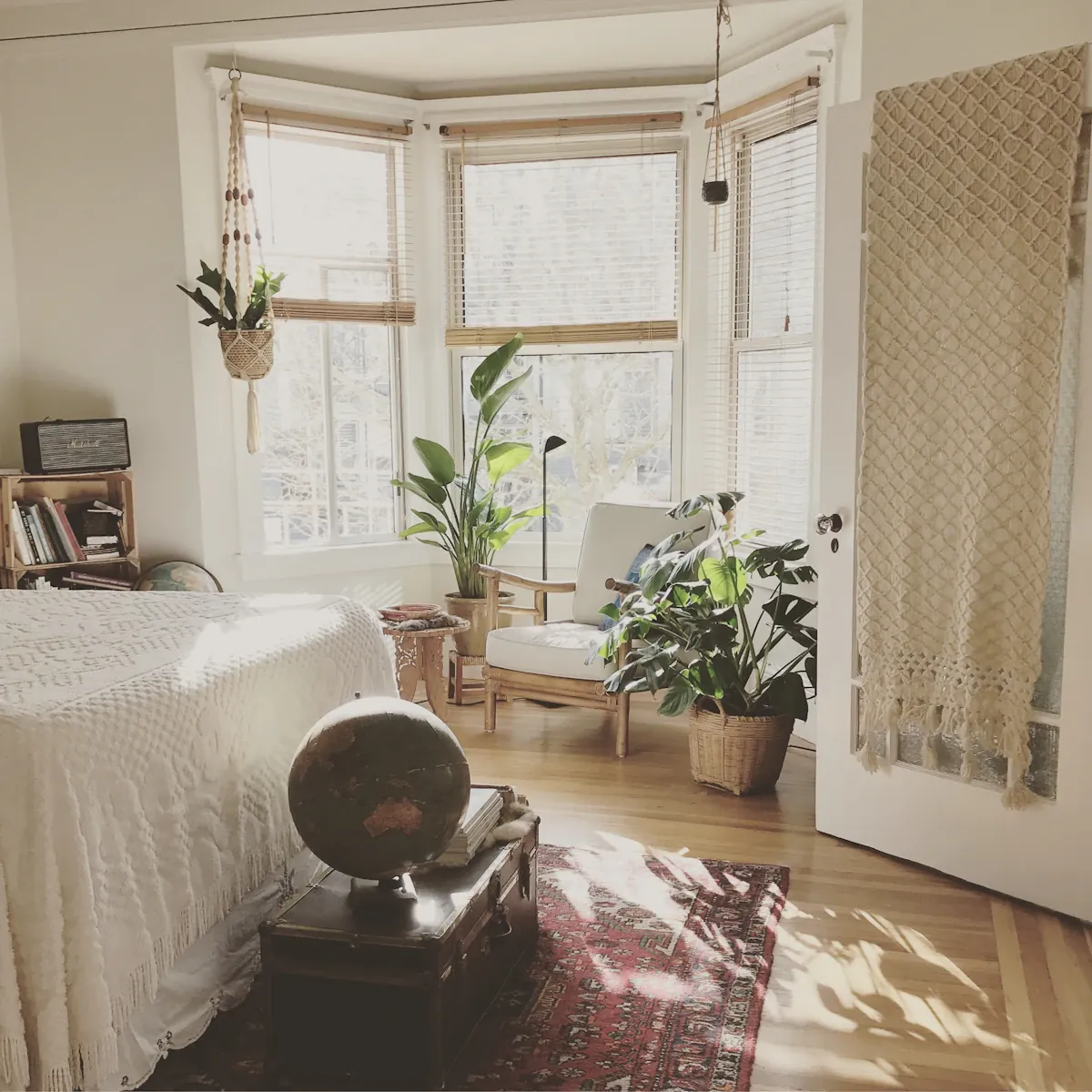
A reading corner can look complete and still remain unused. The chair may be too upright, the lamp too far away or the room too busy at the time you want to sit. Before collecting the familiar ingredients of a styled corner, decide what would make reading there comfortable for you.
The best location might already contain a chair you like. Start with a short trial using existing furniture, a portable light and somewhere to place a book. Let the experience reveal what needs changing before committing to a large purchase.
Find the quiet time as well as the quiet space
Observe the room when you expect to read. A corner that is peaceful in the afternoon may sit beside the household’s main television in the evening. Natural light changes too. Choose a position that works with your routine, and consider whether a blind or existing shade can manage glare at the time you are most likely to use it.
Check the walking route around the proposed seat. A chair that blocks a cupboard or creates an awkward turn will be moved eventually, often to a less useful position. Mark its full dimensions on the floor and include the space needed to sit down and stand up. If you want a footstool, mark that too rather than treating it as a small accessory.
Choose the chair through a proper sit
If possible, sit in the chair for long enough to notice the seat depth, back angle and arm height. Bring your usual reading posture into the test. A deep chair can suit someone who curls up and feel awkward for someone who wants both feet comfortably on the floor. The most photogenic silhouette is not automatically the most inviting seat.
Compare the measurements with a chair you already find comfortable. Look at the fabric care guidance and whether cushions can be removed or rearranged as you prefer. Consider the doorway and delivery route before buying. Skip an oversized chair if its comfort requires a room layout you cannot maintain. A smaller seat with the right proportions may serve better than a statement piece.
Put the light where the page needs it
Arrange a reading light so that it illuminates the book without shining directly into your eyes. The useful position depends on your seat, posture and the lamp design. Adjustable fittings can offer flexibility, but check that their actual reach suits the corner. Try the position after dark; daylight can hide an inadequate arrangement.
Check switch access from the seat and follow the manufacturer’s bulb and placement requirements. If a cable must cross a route, reconsider the location before adding another accessory to cover the problem. Buy a lamp that serves this specific seat as well as looking right nearby. Skip a decorative lamp with a shade that blocks most of the useful light in your intended position.
Give the small things a stable surface
A side table needs room for the items you genuinely keep nearby: perhaps a book, glasses and a drink. Check its height against the chair arm and the distance you can comfortably reach. A tiny pedestal may look delicate but offer little margin for setting down a full mug. Stability matters more than fitting an exact visual theme.
Use an existing stool or table for a trial if appropriate. Notice whether you prefer the surface beside your arm or slightly forward. Storage underneath can be helpful, but an open shelf may invite a growing pile of unrelated objects. Buy a table with a usable top and sensible footprint. Skip complicated storage when a simple surface would be easier to keep clear.
Keep comfort additions selective
A cushion or throw can make the seat more comfortable when it solves a specific problem. Test the cushion’s size and firmness rather than choosing it solely for color. Too many cushions can consume the usable seat and create a pile to move every time you sit. A throw should have a practical home when it is not being used.
After a week, assess whether you are choosing the corner naturally. If you still read elsewhere, identify what that other spot provides: better light, company or a more relaxed posture. Adjust the corner accordingly or accept that another location is the right one. Buy only after the trial shows a lasting need. A useful reading place is a habit supported by furniture, not a complete shopping list.
BROWSE WITH A PLAN
Where to begin your search
Use the checks above when comparing current assortments at Nordstrom, IKEA, MUJI. These links go to retailer websites; they are starting points for your own comparison, rather than endorsements of every item.
Before ordering, confirm the current composition, measurements, care instructions, delivery cost and return conditions for the exact item. Availability and terms can change.
Your questions, considered
Can a bedroom reading corner work in a small home?
Yes, if it leaves the necessary circulation space and suits the time you want to read. Test the arrangement with existing furniture and check lighting and storage access before buying a separate chair.
Is a footstool essential?
Only if it improves your preferred posture and fits without obstructing movement. Try one at a suitable height before purchasing, and include it in the floor-space plan.
Our approach: practical editorial guidance, without claims of hands-on product testing. How we make recommendations.