Shopping note: retailer links in this guide are ordinary direct links. If a link becomes an affiliate link, it will be identified and we may earn a commission. Read our disclosure.
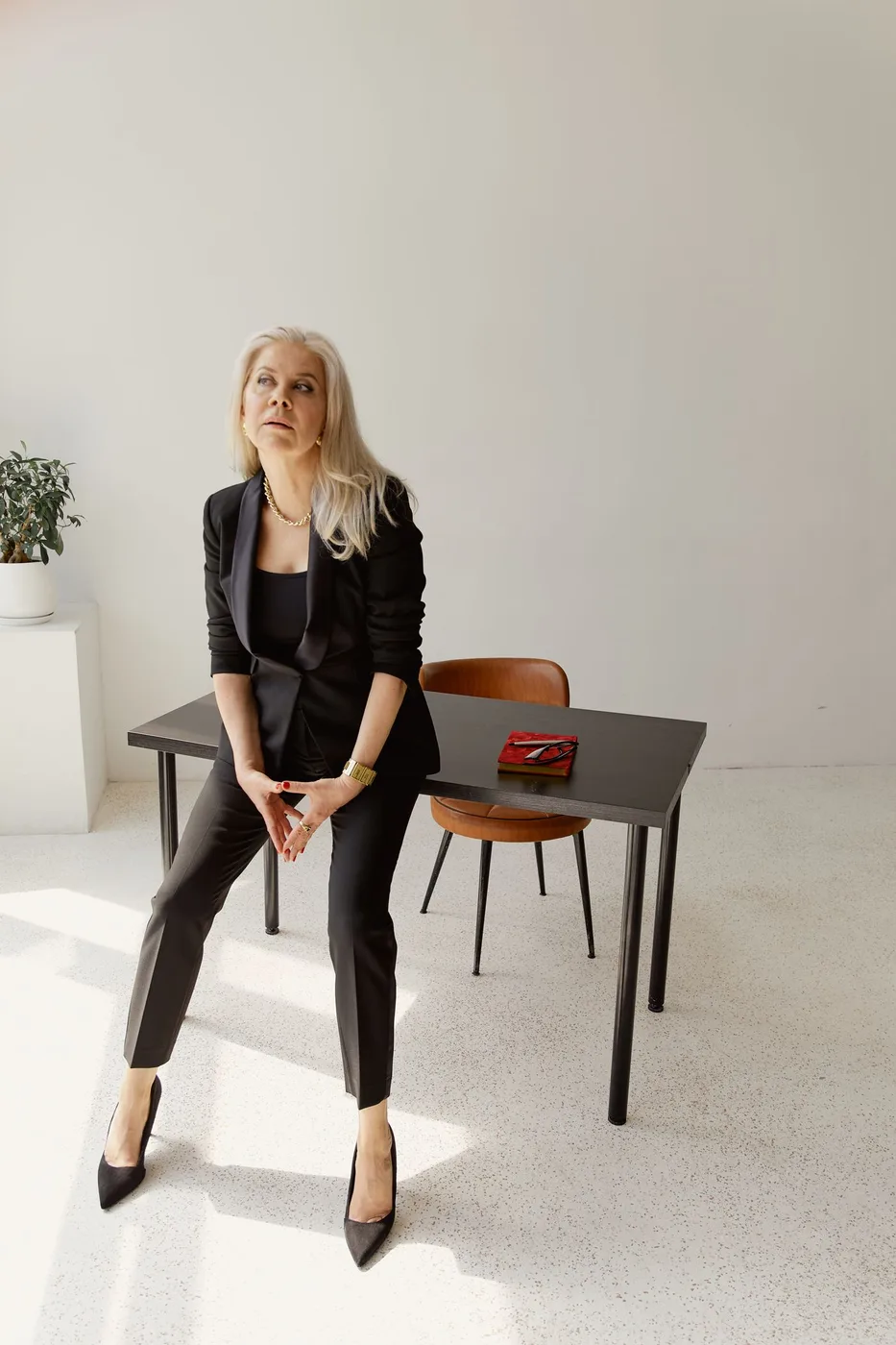
All-black clothes can create a quiet outfit with interest in their surfaces and shapes. They do not have to be identical shades to work together. Start with pieces comfortable for the day, then assess their relationship in ordinary light. A dark colour does not make fit less important or establish suitability for every setting. The useful combination remains easy to wear and maintain rather than relying on colour alone to make it feel complete.
Choose the main silhouette
Begin with the trousers, skirt or dress suited to the activity. Add a familiar top and assess movement. A soft long layer and a structured short one create different outlines beside the same bottom. Decide what you enjoy before adding accessories. A quiet colour scheme should not distract from an uncomfortable waistband, restrictive sleeve or hem that catches in the actual shoes.
Compare textures as a whole
Look at matte, smooth, raised or glossy areas from normal distance. A small contrast can make individual pieces visible without another colour. Check how materials meet during movement. Rough or decorated surfaces may catch delicate fabric. Choose suitable contact rather than assuming black pieces can be layered freely simply because the shades are close. The clothing still has individual care and construction needs.
View relevant light conditions
Look in daylight where possible and under the indoor light expected for use. Dark fabrics can show different undertones or fading. That may be enjoyable rather than a flaw. If close matching matters to you, compare actual items instead of separate product photographs. A phone image can change the impression and should remain a supplementary reference rather than a final verdict.
Use one deliberate accessory
A familiar belt, shoe or piece of jewellery can provide a clear small focus. The outfit may already have enough detail in its texture. Do not add something merely because the absence of brighter colour seems unfinished. Check the accessory while sitting and moving, particularly near fitted waistbands or delicate necklines. Exact metal or finish matching is optional.
Plan maintenance realistically
Read the labels and consider whether several demanding fabrics suit the intended frequency of wear. Manage lint, marks or surface changes using methods appropriate to each material. Do not apply one treatment indiscriminately because everything is dark. A simpler combination ready for regular use can be more valuable than a carefully coordinated group waiting for maintenance you rarely have time to perform.
Do the shoes have to be black too?
No. A contrast can be intentional, and practical fit comes first. A black pair can continue the quiet outline when it suits the route. Choose the footwear for the actual day and build the colour relationship around that decision. The successful outfit uses simplicity to connect comfortable existing pieces, letting texture supply interest without turning one colour into a rigid uniform.
Related reading
A Creative Office Wardrobe Without a Second Closet, One Outfit for Coffee, Wandering and Dinner.
Our approach: practical editorial guidance, without claims of hands-on product testing. How we make recommendations.





