Shopping note: retailer links in this guide are ordinary direct links. If a link becomes an affiliate link, it will be identified and we may earn a commission. Read our disclosure.
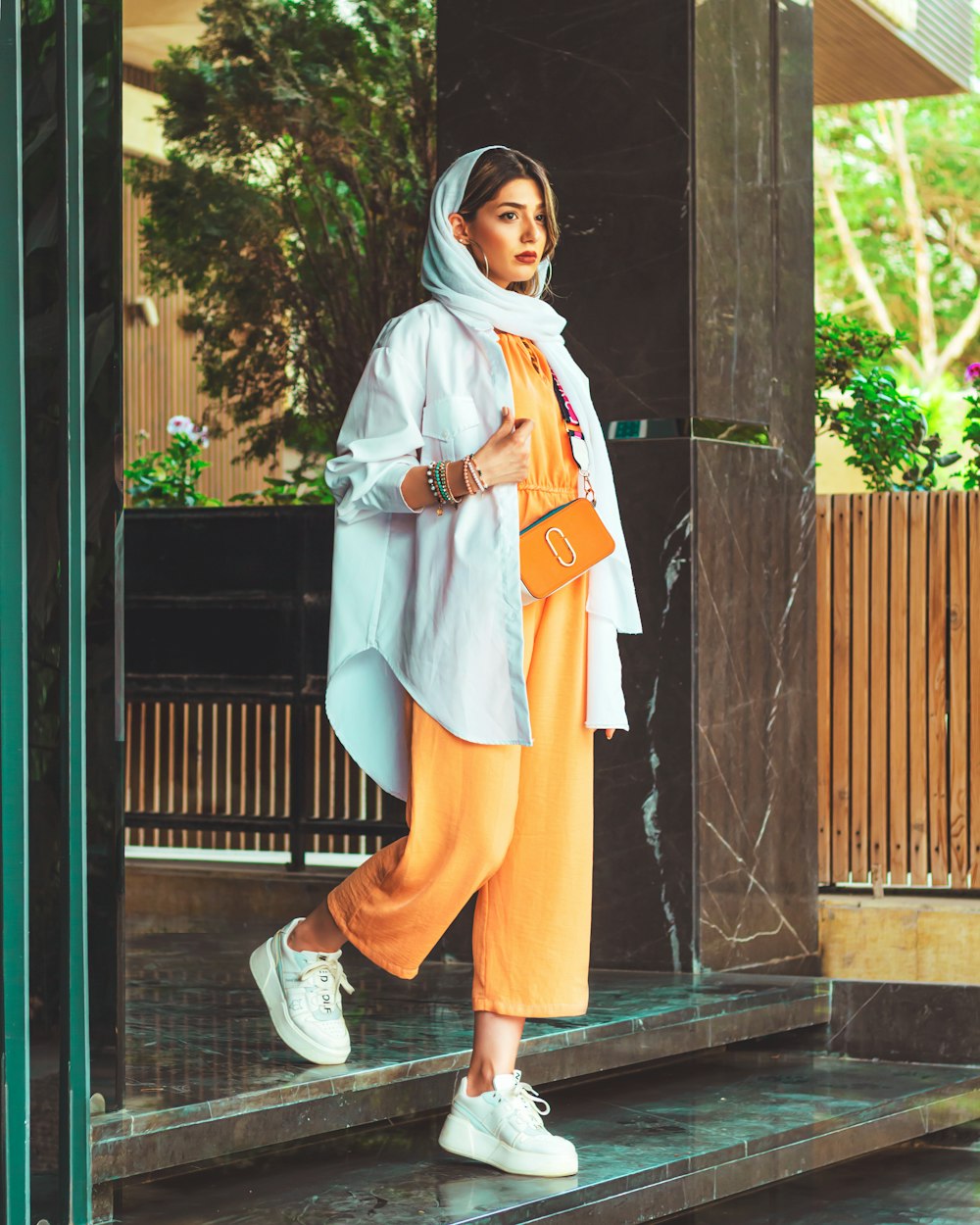
A pale blue shirt can give warm-toned trousers a distinct upper partner without relying on a patterned garment. The contrast is easy to notice, but its proportions depend on the real clothes. A loose shirt worn open shows a different amount of blue from the same piece fastened or tucked. Begin with the actual garments and an ordinary purpose for the outfit. That keeps a pleasing colour idea connected to usable clothes rather than a perfectly coordinated photograph.
Start with the lower shape
Use the trousers in their intended comfortable position with appropriate familiar footwear. Read the width and hem as part of the warm colour area. A full leg and a narrow one do not contribute the same visible amount even when their shades appear related.
Keep the actual tone in the comparison. A product name can suggest a colour without establishing that another item using the same word will create an identical pairing. Look at the pieces available rather than trying to match two labels.
Decide how the shirt will function
Choose whether the shirt is the main top or an open layer over a suitable base. Those arrangements have different coverage and practical roles. Use the one that suits the wearer rather than treating a reference image's opening as a requirement.
If another top belongs beneath it, begin with an appropriate owned option. The base may remain quiet or relate to the trousers. See that actual three-piece group before deciding that a further bright accessory is needed to make the colours connect.
Compare the hem boundary deliberately
Let the shirt fall in its ordinary loose position first. A familiar comfortable tuck can then be compared where appropriate. Keep the trousers and footwear unchanged so the difference in visible blue remains understandable.
Look from the side and while seated as well. A front pose with a hand holding the shirt open may not represent what happens once both hands are needed. The preferred version should remain useful through the day's normal movement.
Add practical pieces after settling the base
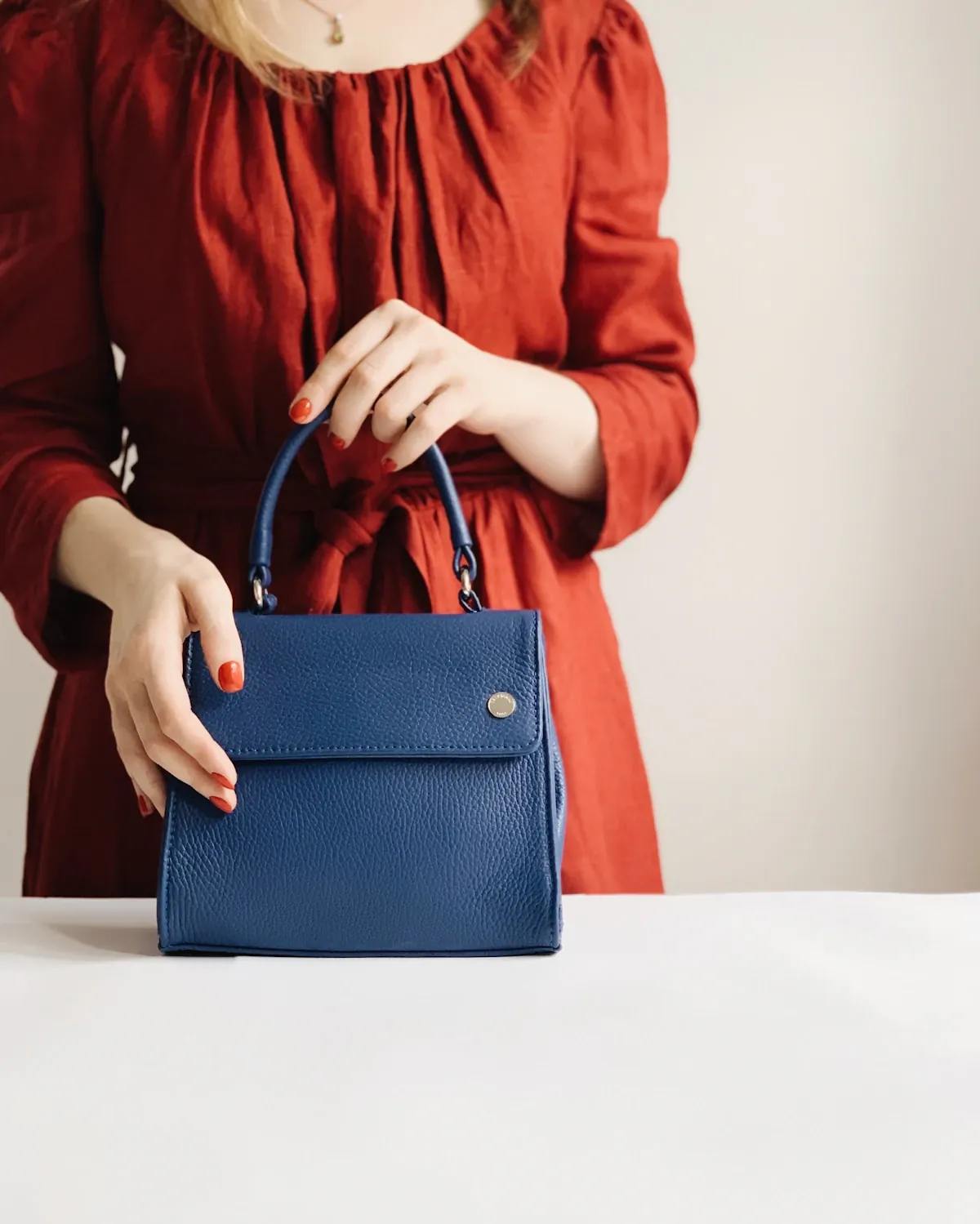
Carry the bag actually needed and include any suitable outerwear. Exact blue or warm-toned accessories are optional. A familiar quiet shoe and bag can leave the two main colour areas clear enough on their own.
Check the outfit after the bag is put down or another layer is removed. The shirt and trousers remain the clothes being worn, rather than a temporary stage for one accessory arrangement.
Keep a modest reference if the pairing is worth repeating, naming the shirt position and actual footwear. Its value is specific: these garments supply an appealing contrast in a useful outline. There is no need to turn that discovery into a rule for every pale blue shirt or a shopping requirement for a complete set of matching additions.
Related reading
How to Choose a White Shirt You Will Actually Wear, White Trousers with a Real Base-Layer Check.
Our approach: practical editorial guidance, without claims of hands-on product testing. How we make recommendations.