Shopping note: retailer links in this guide are ordinary direct links. If a link becomes an affiliate link, it will be identified and we may earn a commission. Read our disclosure.
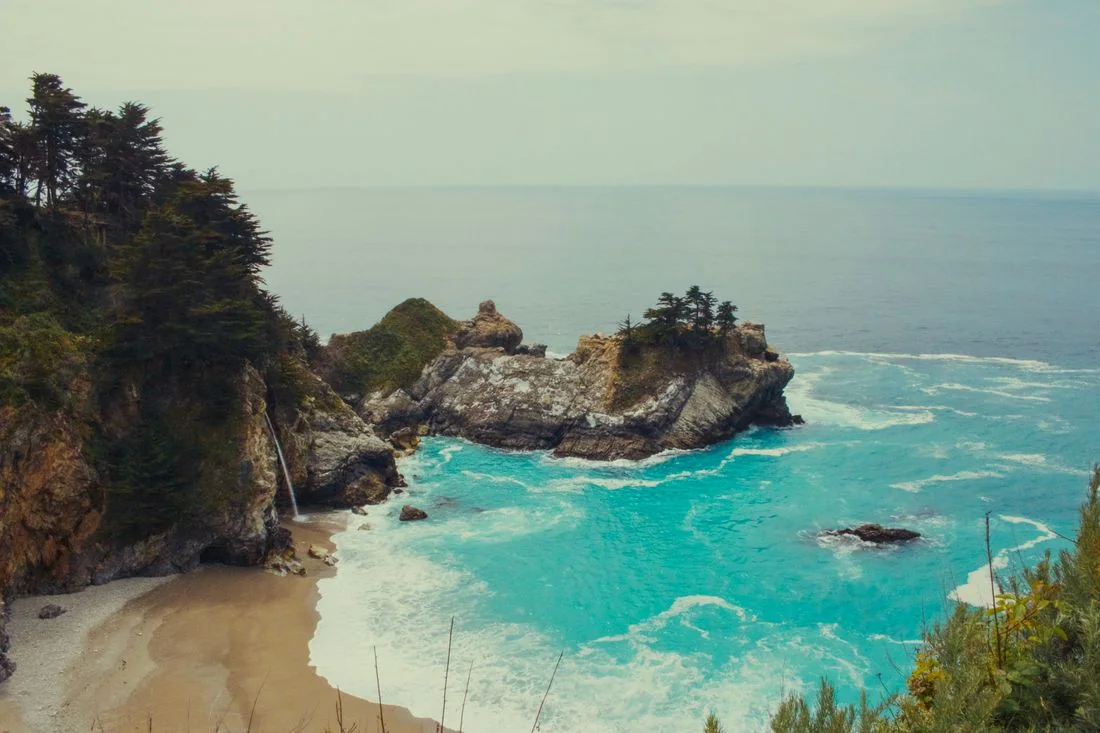
A photograph of a cove can make a coastal stop feel both obvious and effortless. The scene does not show the rest of the day, the photographer's choices or the practical information your own visit needs. Separate the inspiration from the plan before adding the stop. A clear purpose makes it easier to choose a realistic visit without demanding that the day reproduce every element of the picture.
Name the attraction precisely
Ask what you actually want from the idea. It may be a general coastal view, time away from another busy activity or a particular personal photography interest. These are different purposes and can lead to different plans.
Keep the image's source where appropriate and use only material you are entitled to save or share. A visual reference can support a preference without identifying a suitable route, current access or facilities for your circumstances.
Review the real itinerary space
Write the commitments already agreed with companions and keep optional ideas visibly optional. A stop should not silently consume time intended for another activity simply because its photograph looks peaceful.
Use appropriate current official information when practical visit details need confirmation. If an important question remains unresolved, preserve that limitation rather than completing the plan with the most optimistic assumption. Another understood activity can remain a valid alternative.
Choose what counts as a worthwhile visit
Describe the intended experience in ordinary language. An unhurried shared pause can remain meaningful even if the exact light or angle differs from the image. Reproducing a dramatic composition is a different goal and should not become everyone's assumed priority without discussion.
This distinction can prevent a small scenic idea from becoming an expanding checklist. You do not need several versions of the same view to make the day feel complete. Keep the plan connected to the actual interests of the people involved.
Keep the belongings plan separate
Choose appropriate clothing, a bag and other items for the activity using their own product information and the real plan. The scenic image is not a packing list. It should not create an automatic requirement for new purchases.
Agree on shared carrying roles where relevant. A companion briefly holding a bag should understand the object and next step rather than inheriting an unexplained bundle. Ordinary communication can preserve the pause more clearly than a perfect photographed outfit.
Update changed expectations deliberately
If the plan changes, revise the active itinerary note and make sure companions share the new understanding. Keep an old image as inspiration without allowing it to appear to govern today's timing or location.
After the trip, record only the visit actually made if a memory note serves a purpose. A clear coastal-stop plan lets the photograph contribute atmosphere while current information, real time and shared preferences supply the practical meaning. It leaves room for the day itself to be worthwhile without becoming a failed copy of the saved scene.
Related reading
Seaside Evening Layers Without a Second Suitcase, The City Weekend Packing List That Leaves Room to Wander.
Our approach: practical editorial guidance, without claims of hands-on product testing. How we make recommendations.





