Shopping note: retailer links in this guide are ordinary direct links. If a link becomes an affiliate link, it will be identified and we may earn a commission. Read our disclosure.
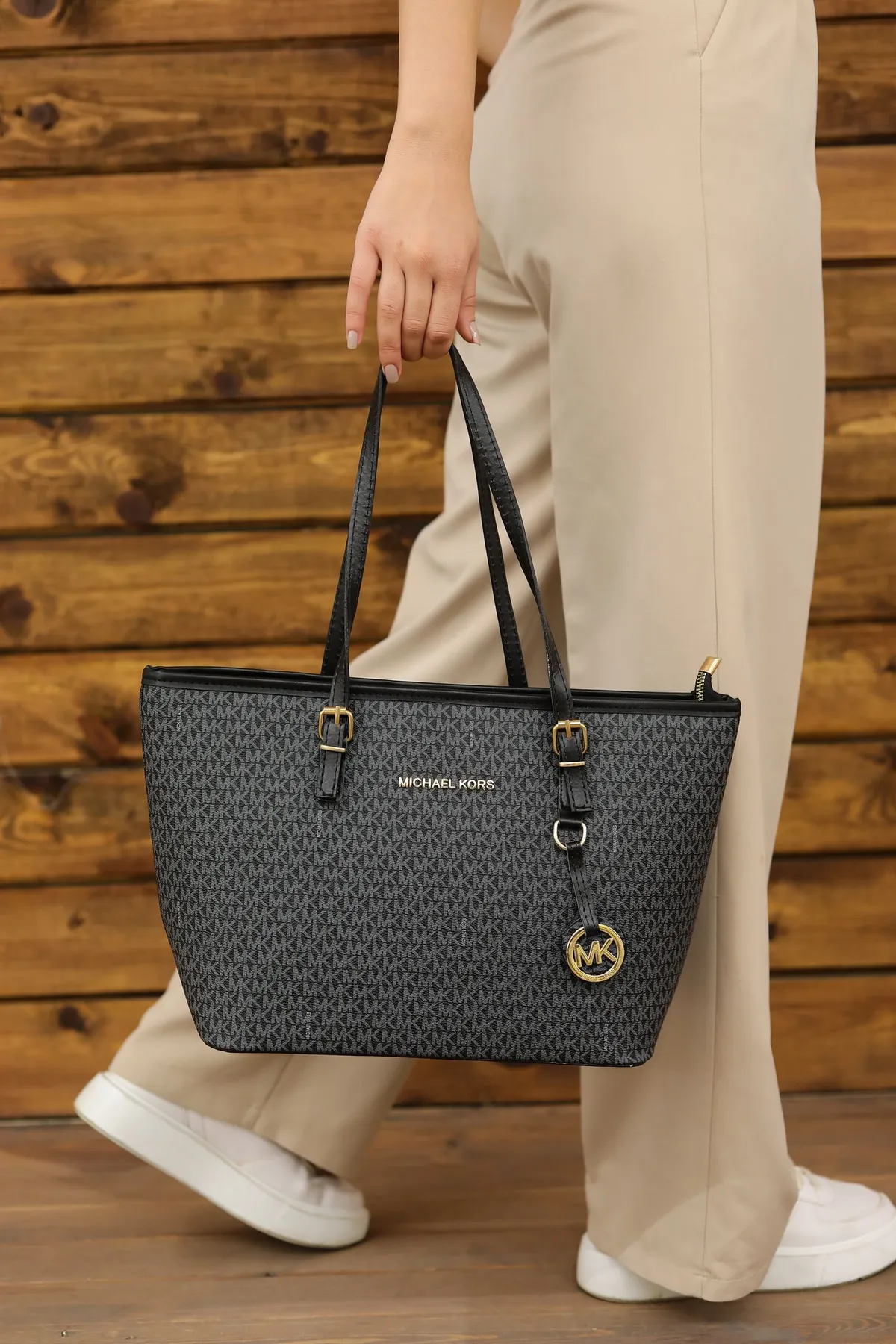
An everyday bag's closure affects access as much as appearance. A zip, flap, clasp or open top offers different practical compromises, and none should be judged on an empty display bag alone. Pack the normal essentials where a trial is permitted. Check how the opening behaves while standing and seated, and whether it remains easy to close after the bag has its real contents inside.
Begin with the actual load
Lay out the items carried routinely and avoid adding extras to demonstrate maximum capacity. Check that the opening fits the longest item without forcing it. A bag that closes only when everything is arranged in one exact position can be difficult during ordinary errands. Remove unnecessary contents or compare another size before treating a larger organiser as the solution.
Try one-handed access
Hold the bag in its usual carrying position and open it with a free hand. Can keys be found and the closure secured again without putting the bag down? A flap may be easy to lift but have an awkward fastening; a zip can contain contents yet catch on lining. The practical trial gives more useful information than assuming a particular closure category is always convenient.
Check the seated position
Sit with the bag appropriately placed and inspect how the opening faces. An open top may expose small items if the bag tilts, while a rigid flap can need more clearance to lift. Think about the transport and settings in the actual day. Choose suitable containment for valuables and do not assume a decorative fastening establishes protection against every situation.
Inspect the mechanism and lining
Look for rough edges, loose stitching and fabric that enters the zip path. Open and close gently rather than forcing a resistant mechanism. A damaged clasp or zip deserves assessment before the bag is relied on outside. Ask the maker or a competent repairer about unexpected faults. Adding another internal pouch can help organisation but does not repair a faulty closure.
Compare access with usable capacity
A narrow opening can make a roomy bag harder to use, while a wide opening improves visibility but may need secure containment. Decide what matters most for the bag's role. A work tote and a small lunch bag need not solve the same task. Avoid buying a visually similar second bag unless its opening genuinely addresses the problem the first one leaves unresolved.
What if the lining keeps catching?
Stop pulling and clear the fabric carefully. Repeated catching may indicate construction or condition that needs repair, rather than a faster technique. Keep loose grit and small debris out of the mechanism and clean according to the material guidance. A useful closure should be predictable with the normal load, making the bag easy to open, use and put away without a small struggle each time.
Related reading
Continue with An Everyday Bag Guide That Starts With What You Carry and Packing Accessories Worth Their Space. These existing guides provide a broader starting point for the related wardrobe, home or planning decision.
Our approach: practical editorial guidance, without claims of hands-on product testing. How we make recommendations.





