Shopping note: retailer links in this guide are ordinary direct links. If a link becomes an affiliate link, it will be identified and we may earn a commission. Read our disclosure.
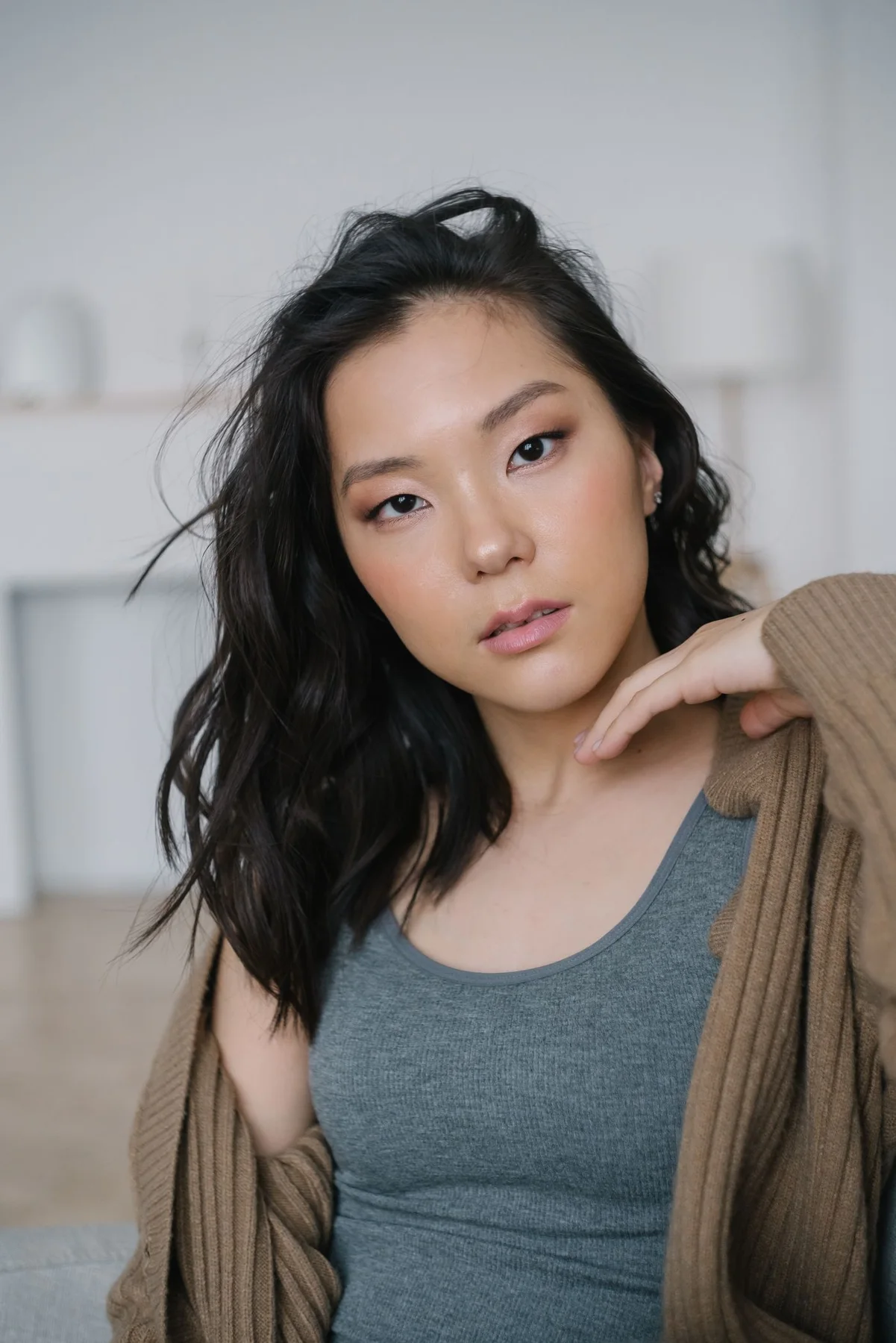
One cardigan can offer two useful outlines without changing the top and trousers beneath it. Open, it gives a longer relaxed line; partly buttoned, it can create more definition. Compare both with the complete familiar base and let comfort guide the choice. A knit should not be pulled into a smaller shape simply because the buttoned version looks tidy while standing.
Begin with a base that works alone
Try the top and trousers without the cardigan first. Check coverage, waistband comfort and the shoes for the day's route. If the cardigan will be removed indoors, the base needs to feel complete to you. Avoid keeping a warm layer on solely to conceal an uncomfortable button line or an underlayer whose fit has not been checked.
Let the cardigan hang open
Walk and sit, noticing where the hems fall and how the front moves. A longer cardigan may give coverage, while a shorter one shows more of the trouser shape. Check the side and back, including the bag strap. If it repeatedly slides off or twists, compare neckline and shoulder fit rather than assuming an open cardigan is always the easy version.
Fasten a modest section
Close the buttons that establish a comfortable shape, following the garment's construction. Reach forward and remain seated briefly. If the buttonholes pull or the base bunches underneath, try a thinner layer or leave the cardigan open. Fastening every button is optional. A heavy knit tucked into a waistband can add pressure, so assess that as a separate choice rather than the default finishing step.
Compare the visible detail
Decorative buttons may be enough beside plain separates. Try simple jewellery first and include the outside coat before adding more. A raised button or substantial placket takes room under outerwear. The cardigan need not match the shoes or bag exactly; related tones or a clear contrast can work if the complete outfit feels deliberate and practical.
If a fastening begins to strain
Inspect the surrounding knit and button attachment gently. A loose button may need repair, while weakened fabric requires a more careful assessment. Repeated strain can also signal unsuitable fit. Do not keep tightening the arrangement or adding improvised stitches without understanding the material. Save spare matching buttons and seek appropriate repair help where needed.
Which version belongs in a small wardrobe?
Both may be useful if they work with existing clothes, and neither needs a separate cardigan. Photograph a reliable combination privately if that helps future choices. Support the placket when fastening, follow washing and drying instructions and store heavy knitwear appropriately. The point of comparing two outlines is to find repeatable options, not create another rule that the cardigan must be worn differently every time.
Related reading
Continue with A Carry-On Capsule for a Week of Different Plans and How to Choose a White Shirt You Will Actually Wear. These existing guides provide a broader starting point for the related wardrobe, home or planning decision.
Our approach: practical editorial guidance, without claims of hands-on product testing. How we make recommendations.





