Shopping note: retailer links in this guide are ordinary direct links. If a link becomes an affiliate link, it will be identified and we may earn a commission. Read our disclosure.
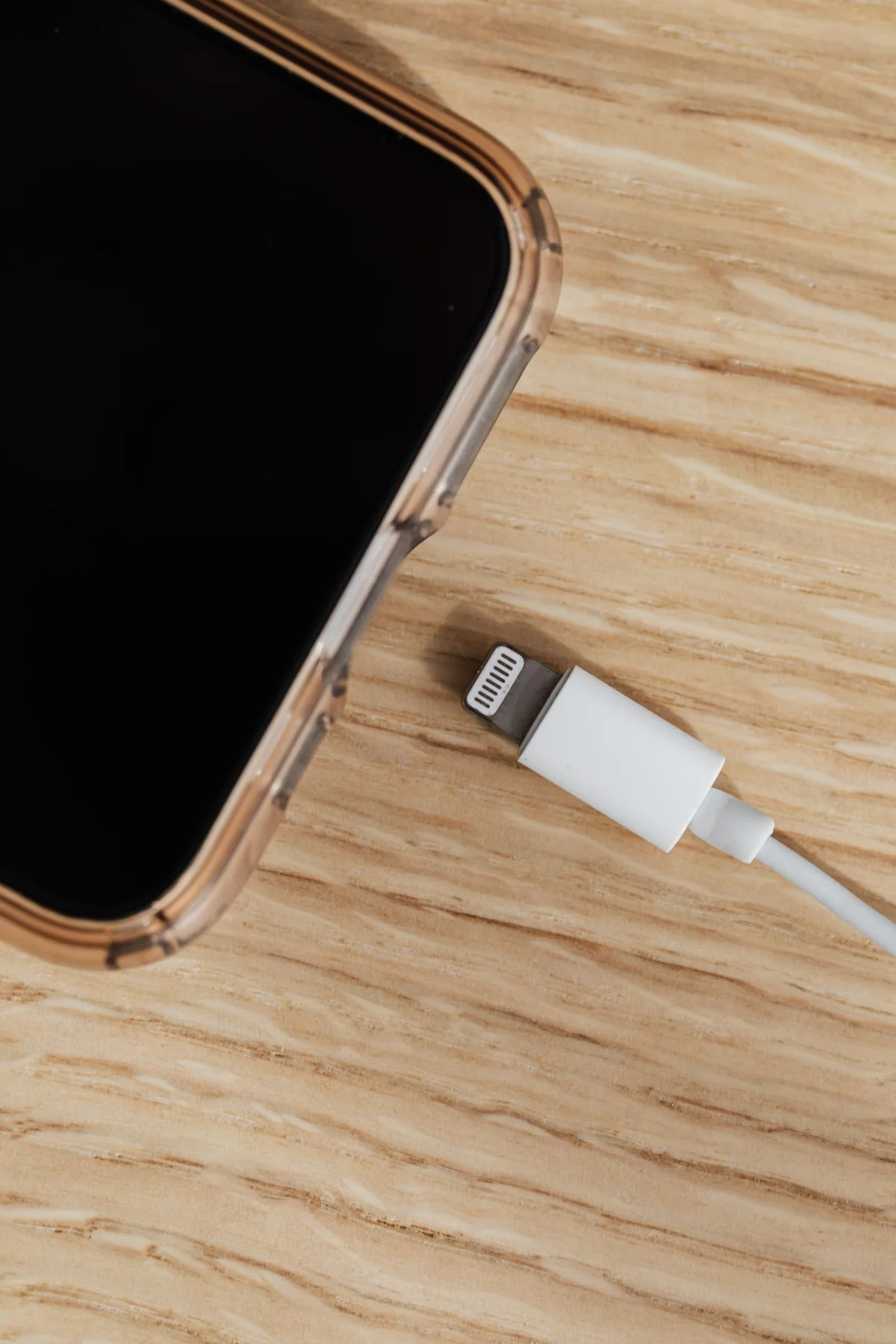
A charging pouch can become a collection of unidentified cables if it is packed from habit rather than need. Before a short trip, list the actual devices, their compatible accessories and the destination's relevant electrical requirements. Use current manufacturer and official travel information where needed. The useful kit should be clear enough to unpack quickly without bringing several spare cables whose role is unknown.
Match each cable to a device
Lay out the devices and identify the correct cable and power equipment using their makers' guidance. Similar-looking connectors do not answer every compatibility question. Label the role if that helps, keeping the label away from parts where it could interfere with use. Remove damaged or unidentified accessories rather than carrying them as emergency backups that have never been checked.
Check destination requirements before buying
Consult reliable official or manufacturer guidance for the destination and equipment. A plug adaptor and other electrical compatibility questions should not be guessed from a photograph of a socket. Confirm what the exact device supports and use appropriate products as instructed. Avoid adding a generic travel accessory merely because it is marketed as universal without understanding its actual permitted use.
Choose the pouch after the kit
Measure the real contents and compare opening, padding and usable compartments. A large organiser can take more room than the electronics, while a tiny pouch can force cables into sharp bends. Keep liquids separate and make frequently used items accessible. The kit should not need to be completely emptied on a train simply to find the one cable used during the journey.
Plan charging in the room
Inspect the available location and follow accommodation and equipment instructions. Keep cables clear of routes and away from moisture. Avoid trapping them beneath furniture or tightly enclosing equipment while in use. A bedside socket may not be available, so think about a safe suitable alternative rather than stretching an awkward cable arrangement across the room.
If one device will not charge
Use the manufacturer's troubleshooting guidance for the exact equipment. Check the intended connections and stop using anything damaged, unusually behaving or unsuitable. Do not improvise with unknown adaptors or keep swapping random cables from a crowded pouch. A clearly identified kit makes it easier to explain the problem to official support if further help is needed.
What belongs in the departure check?
Look at the sockets and surfaces used, then check the pouch against the device list. Small plugs and cables are easy to leave behind when spread across a room. Unplug by the appropriate connector as instructed and store without crushing. On return, inspect and reset the kit, removing items not used and updating labels where helpful. A useful pouch reduces decisions through clarity, not through carrying every charging accessory owned.
Related reading
Continue with A Carry-On Capsule for a Week of Different Plans and How to Choose a White Shirt You Will Actually Wear. These existing guides provide a broader starting point for the related wardrobe, home or planning decision.
Our approach: practical editorial guidance, without claims of hands-on product testing. How we make recommendations.





