Shopping note: retailer links in this guide are ordinary direct links. If a link becomes an affiliate link, it will be identified and we may earn a commission. Read our disclosure.
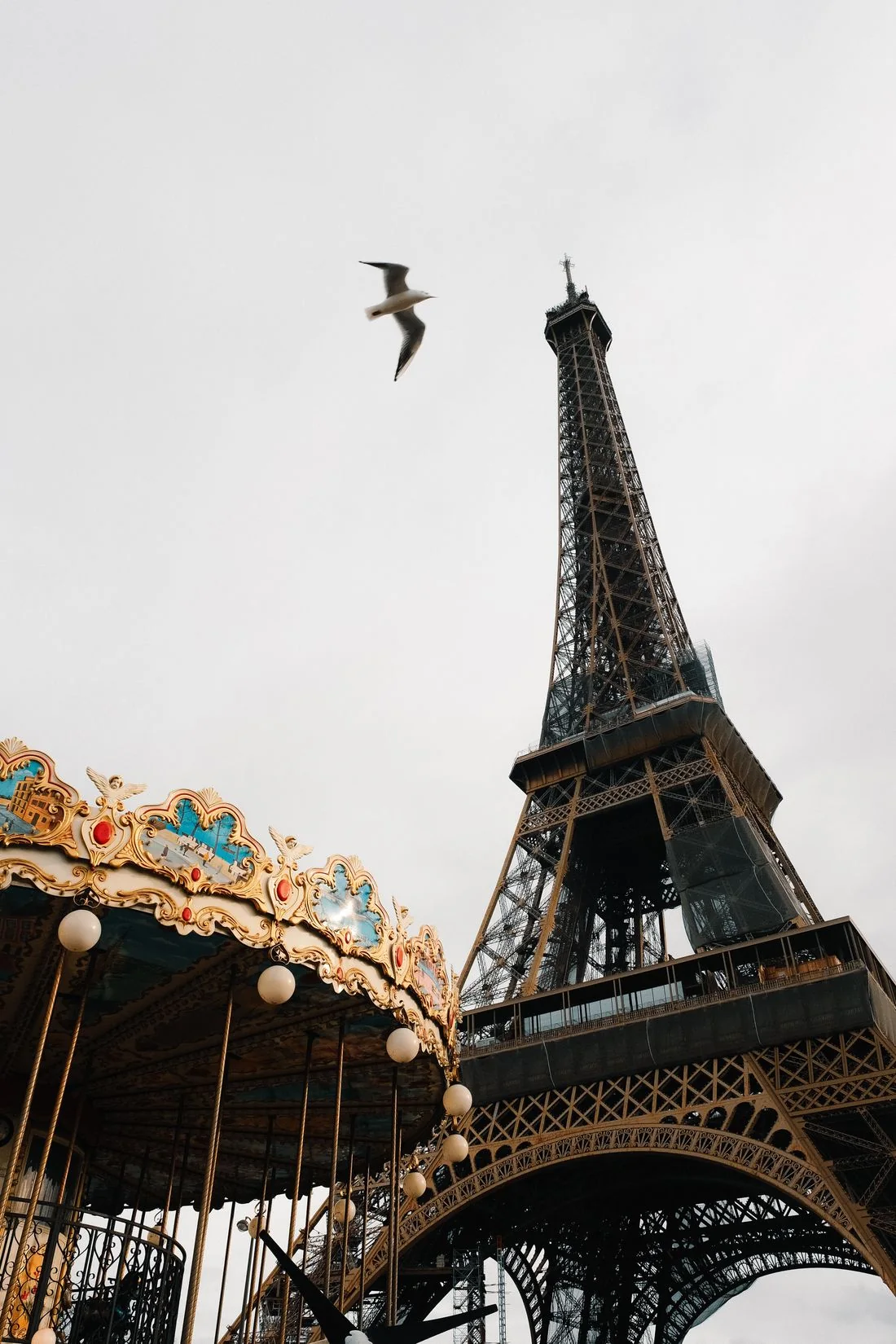
A landmark image can make an arrival plan feel familiar while the practical meeting location remains vague. A large attraction can appear from many angles, and the photo may show only one small part of its surroundings. Give the actual agreement a written note beside the image. The picture can support recognition without becoming the complete plan.
Write the agreement independently
Record the intended location in plain language with the relevant current reference used by the people involved. Keep the date and time context clear. An old trip photograph should not silently become an instruction for today's arrival.
Use appropriate current official information when a practical location or access question needs confirmation. The image itself cannot establish facilities or current arrangements. Keep your own agreement with a companion distinct from the general attraction of the landmark.
Name the photograph's role
Choose a relevant image you are entitled to save or share and preserve the source where appropriate. Write what it helps you recognise. A visible silhouette or facade can provide context without identifying every route or nearby entrance.
Notice the angle and crop. A familiar-looking foreground can be outside the frame, while two similar views may face different directions. Keep those limits explicit rather than mentally completing the surroundings from another image.
Read the note as another person
Check whether the agreement makes sense without your private memory of choosing the photograph. A phrase understood only by one traveller can leave the other person guessing. Plain shared language is usually more useful than several unexplained screenshots.
Keep necessary personal contact details appropriately stored and private. An arrival note should support the actual coordination rather than become public itinerary content containing unnecessary information about companions.
Handle changes deliberately
If the plan changes, update the active note and make sure the other person receives the revised agreement through the understood channel. Moving an image into a new folder does not by itself communicate a new time or place.
Distinguish old plans from current ones where retaining them serves a purpose. A former visit image can remain a pleasant memory without appearing to govern today's arrangements. The relevant question is which note is active now.
Close the coordination context
After the visit, preserve only information that remains useful. A personal travel memory can name what actually happened while a coordination note should not imply a future agreement never made. Avoid retaining unnecessary personal details simply because they were part of the original plan.
A landmark photograph can make an arrival easier to recognise when its role stays modest. Exact shared context and current relevant information supply the practical meaning. That lets the image support the visit without asking a famous silhouette to identify the entire meeting arrangement by itself.
Related reading
The City Weekend Packing List That Leaves Room to Wander, What to Wear for a Long Train Journey.
Our approach: practical editorial guidance, without claims of hands-on product testing. How we make recommendations.





