Shopping note: retailer links in this guide are ordinary direct links. If a link becomes an affiliate link, it will be identified and we may earn a commission. Read our disclosure.
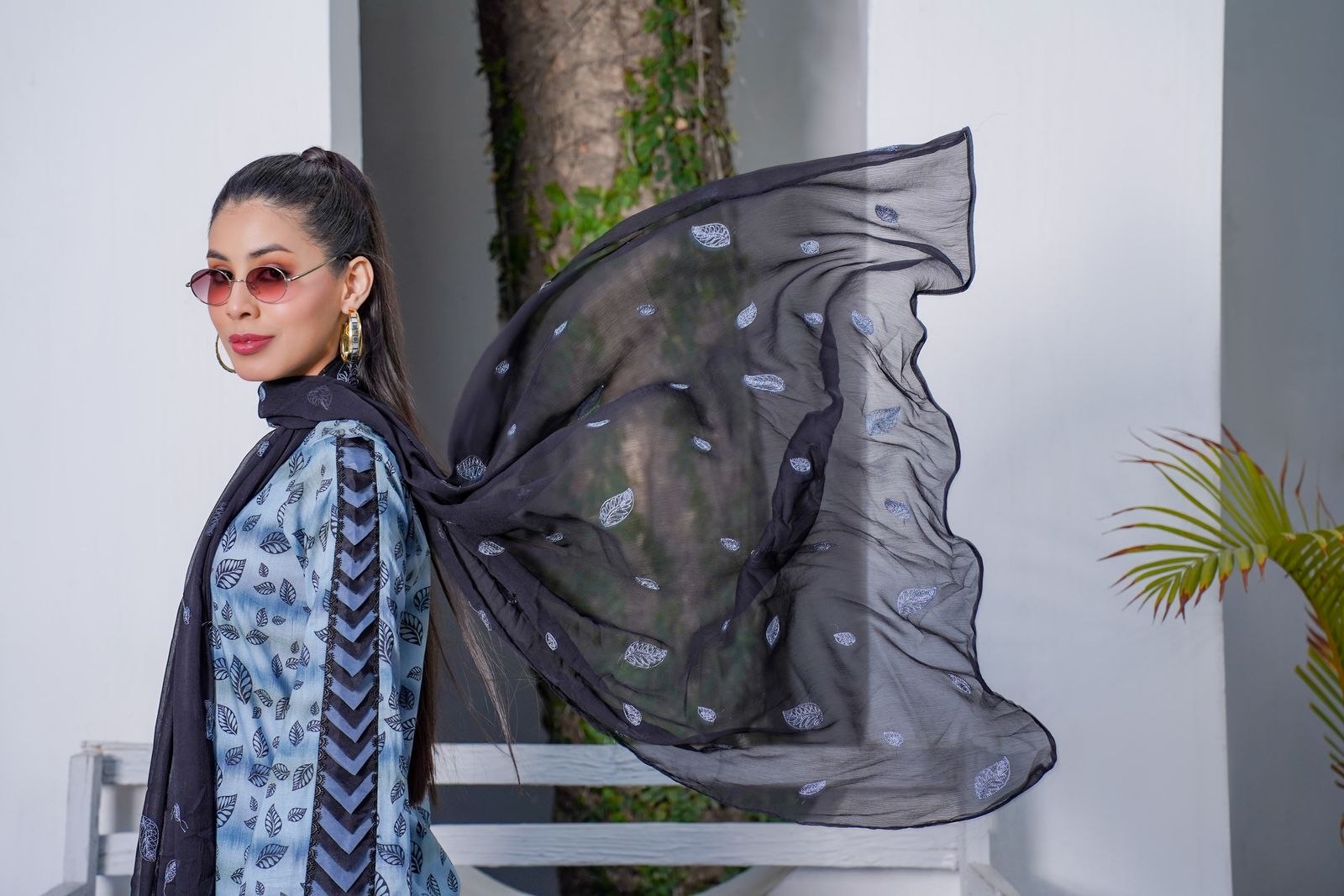
A scarf can bring colour or texture to familiar clothes without changing the main garments. Its position also shares space with collars, jewellery and bag straps. Start with those relationships before trying a complicated knot. The useful arrangement feels comfortable when the coat is closed and remains easy to remove indoors, leaving a base outfit that does not depend on the scarf to feel complete.
Decide the scarf's role
Choose whether it is mainly decorative or intended for warmth or another defined purpose. Read composition and care details. A light flowing scarf and a thick knit behave differently. Use appropriate clothing for the conditions rather than assuming every scarf provides equivalent protection. If it will be carried for much of the day, include storage space in the initial choice rather than treating it as an accessory without practical bulk.
Begin with a simple arrangement
Wear the top and coat as planned, then drape the scarf without extra turns. Turn the head and sit normally. Notice pressure, rubbing or fabric gathering beneath the chin. A crowded neckline can need a different companion, not a tighter knot. Compare another familiar top or scarf to identify the relationship. The goal is comfortable movement rather than holding the head still to preserve a styled shape.
Close the outer layer
Fasten it as the weather may require and check that the scarf does not pull the collar or block the closure. An open-coat view is not a complete cold-day test. If the scarf only works while the coat stays open, reserve that combination for a suitable role. Choose another arrangement when protection requires comfortable fastening. Decoration should follow the real temperature plan.
Add the actual accessories
Use the bag at its normal load and check whether the strap traps or drags the scarf. Jewellery can catch delicate fabric, so keep contact suitable. A necklace may be unnecessary when the scarf already supplies interest. Exact colour coordination is optional. Remove one competing detail before buying another accessory to hold the group together. Several pieces sharing a neckline can make simple removal inconvenient.
Practise taking it off
Follow the intended use and keep loose ends clear of relevant hazards. Remove the scarf as you expect to indoors and see whether the whole outfit needs rearranging. Fold or store it appropriately and check the bag has usable space. A bulky scarf may suit another outing better than one where it spends most of the day being carried. Choose the complete routine, not only the starting photograph.
What if no knot settles comfortably?
Try a different size, fabric or neckline rather than forcing this pair. Some garments simply work better apart. Follow care guidance after wear and keep the scarf for combinations that serve it well. The successful choice adds the detail or warmth wanted while leaving ordinary head movement, coat fastening and indoor removal easy to manage.
Related reading
Choose a Transitional Coat for the Layers Beneath It, Seaside Evening Layers Without a Second Suitcase.
Our approach: practical editorial guidance, without claims of hands-on product testing. How we make recommendations.





