Shopping note: retailer links in this guide are ordinary direct links. If a link becomes an affiliate link, it will be identified and we may earn a commission. Read our disclosure.
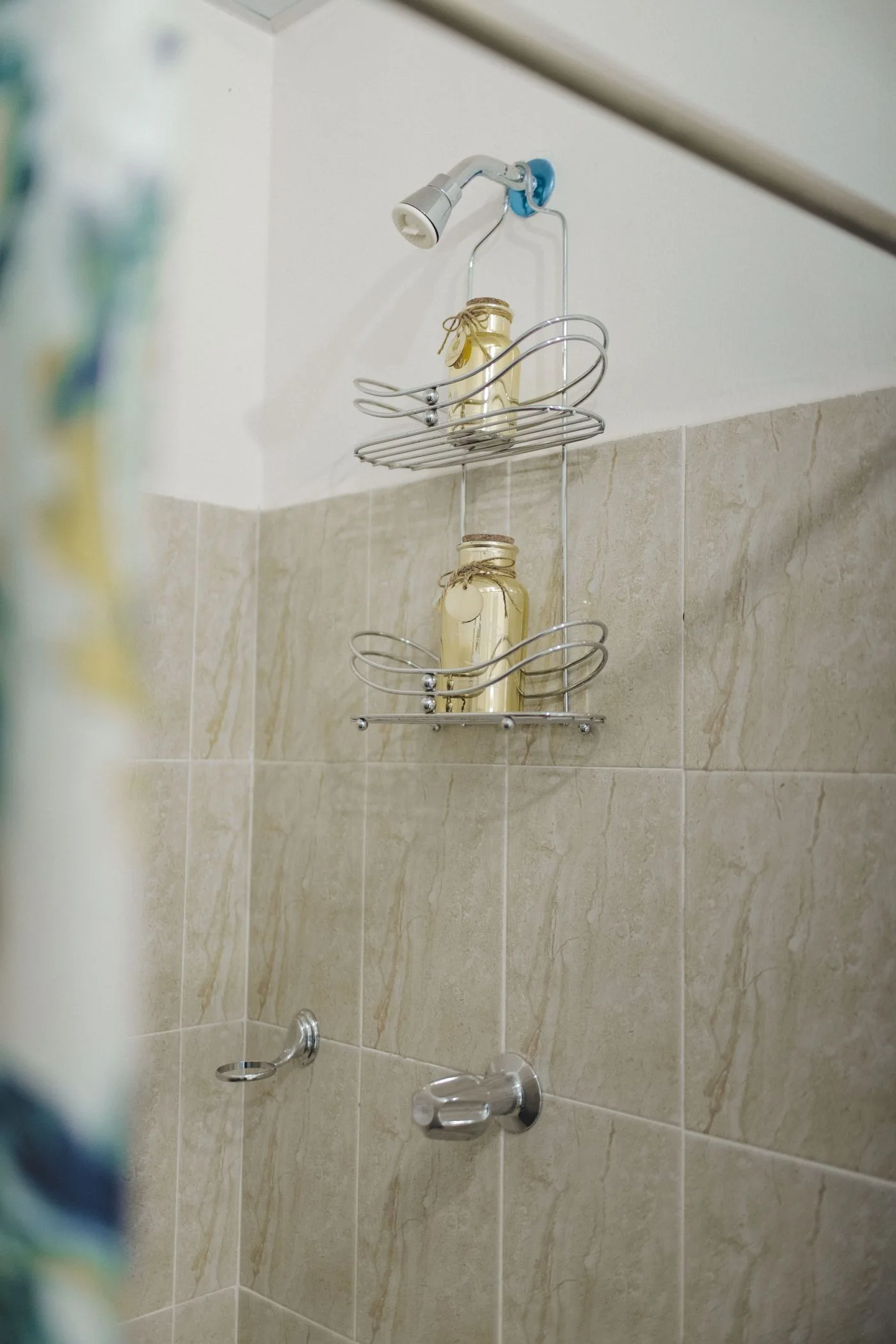
A shower shelf is useful when a bottle can be lifted and returned comfortably. Extra capacity does not help if the opening is cramped or the fixing method is unsuitable. Begin with a small actual product group and the available surface. The right shelf keeps labels visible, controls accessible and cleaning manageable, rather than turning a corner into a crowded display of every bathroom duplicate.
Review the daily bottles
Identify what belongs in the shower and keep necessary labels and guidance readable. Remove empty containers and handle products according to their instructions and local disposal requirements. Do not add every sample simply because a spare tier exists. A smaller group reveals the real capacity needed and reduces the temptation to exceed the shelf's intended load.
Read the fitting details
Check compatible surfaces, preparation, installation and loading guidance. Adhesive, suction and fixed systems are different arrangements. Do not assume a product works on every tile because its description says bathroom. Consider relevant property permissions and seek competent fitting help when needed. Follow required waiting and inspection steps rather than treating immediate apparent attachment as readiness for a full load.
Measure for hands as well as bottles
Compare height and width, including pumps and caps. Leave room to lift an item without knocking neighbours or catching the tier above. A bottle that fits upright may still be awkward to remove. Choose a position within comfortable reach that does not block controls or necessary movement. Decorative symmetry should not dictate an arrangement that requires repeated stretching.
Make water and cleaning visible
Follow the design's intended use and material care. An open wire shelf and a solid ledge can need different routines. Remove products periodically and inspect accessible areas and fittings. Use cleaners as directed and suitable for the shelf and surrounding surface. Avoid improvised mixtures or increasingly aggressive methods intended to avoid moving a crowded group.
Keep changes deliberate
A new product should have a clear role and suitable storage needs before it joins the shelf. Check loading and condition when contents change. Do not use a tier as a temporary home for unrelated items whose handling requirements differ. The useful capacity is the amount that remains easy to access within the guidance, not the maximum collection that can be compressed into the available corner.
Does another shelf solve crowding?
Only when the contents, fitting surface and access genuinely justify it. Review the group and location first. A simpler arrangement can be more practical when it leaves room to clean and move. The successful shelf provides reachable everyday storage and appropriate installation, making the routine clearer without adding another heavy group of bottles whose purpose is mainly to occupy spare space.
Related reading
Unpacking for Two Nights without Spreading across the Room, A Wardrobe Care Routine That Fits an Ordinary Week.
Our approach: practical editorial guidance, without claims of hands-on product testing. How we make recommendations.





