Shopping note: retailer links in this guide are ordinary direct links. If a link becomes an affiliate link, it will be identified and we may earn a commission. Read our disclosure.
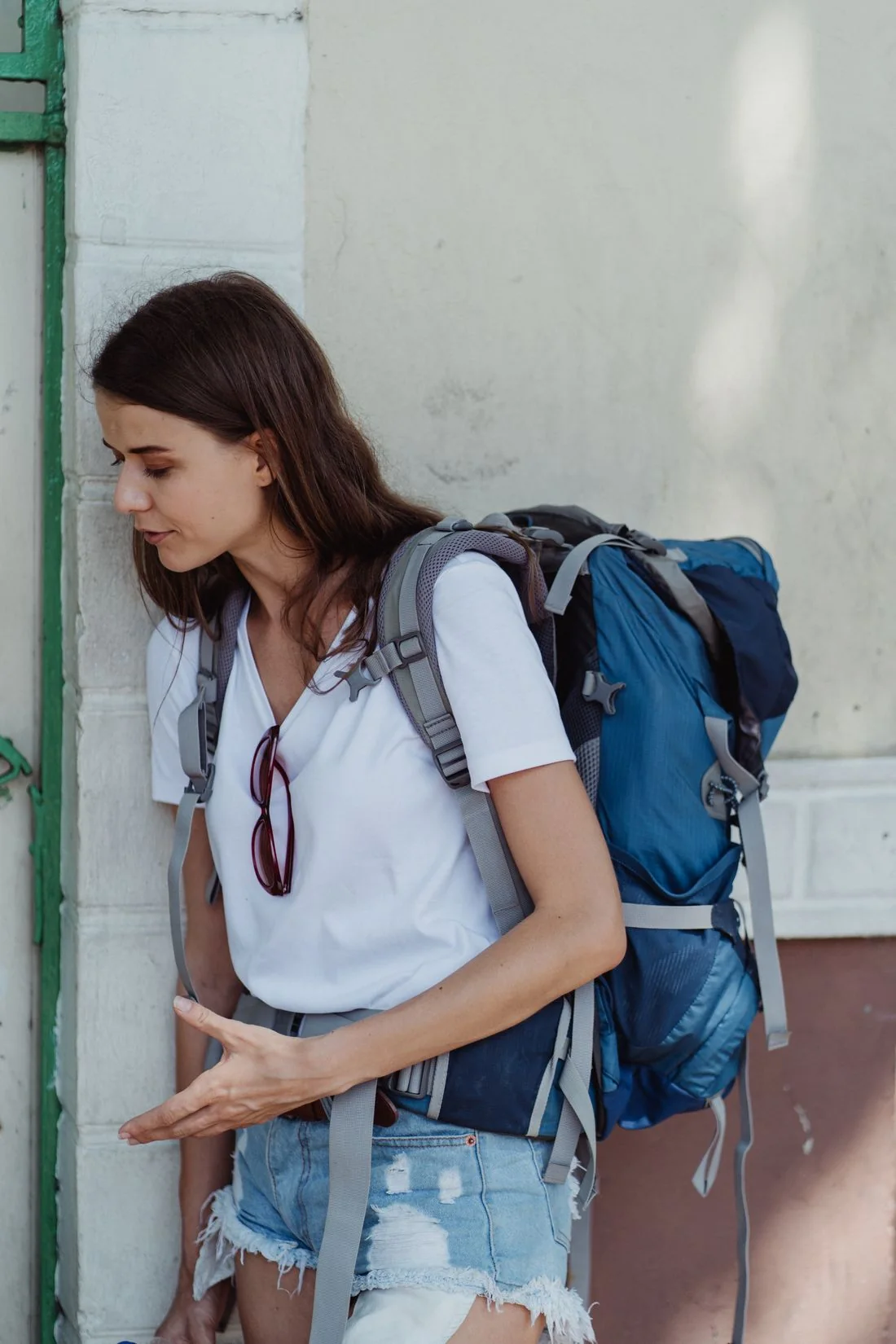
A backpack can make carrying convenient while changing how the top beneath it feels. Straps, load and fabric contact deserve a trial together. Start with the actual essentials and a familiar base outfit. A casual T-shirt or light layer does not automatically make the whole arrangement comfortable. The useful combination allows ordinary movement without repeatedly pulling at the neckline or adjusting posture to keep the bag in place.
Pack for the real outing
Use necessary items and follow the bag's capacity and loading guidance. Remove unnecessary duplicates before assessing comfort. An empty bag cannot show how the straps behave during a normal day. Keep important or vulnerable belongings managed appropriately for the setting. Do not fill spare capacity simply because the backpack is larger than the immediate need.
Use the supported adjustments
Read the product guidance and adjust straps or other intended features accordingly. Check the hardware and condition. Choose a comfortable carrying position for your body and movement rather than a fixed visual rule. Avoid improvised attachments or an unsuitable load. If discomfort persists after appropriate adjustment and reducing contents, choose another carrying arrangement rather than expecting a different top to solve everything.
Observe the clothing underneath
Walk, sit and turn. Notice whether straps trap sleeves, pull the neckline or rub the fabric. A loose top can move differently from a closer one. Compare another familiar piece to identify the relationship. The goal is useful comfort, not holding the shoulders in a particular position so the outfit looks neater. A garment and bag that work separately may still be unsuitable together for a long day.
Include temperature layers
Try the backpack over the complete outdoor outfit and after removing any layer. A coat can change strap fit and access. Keep the indoor base complete and choose appropriate clothing for conditions. The bag's casual association does not establish weather suitability for a thin top. If a removed jacket must go inside, check the actual space with the rest of the contents rather than assuming the backpack will absorb it.
Read contact and care guidance
Inspect rough edges, hardware and dirty areas that meet clothing. Follow suitable cleaning and handling instructions for both materials. Do not apply one treatment to every rubbing or colour-transfer concern. A bag used across several fabrics needs periodic inspection. Manageable care is part of the outfit's usefulness, especially when the same carrying arrangement is repeated through the week.
Must the backpack coordinate with the top?
No. A quiet colour relationship can help if desired, but practical fit and capacity lead. Use comfortable shoes and familiar clothes first. The successful backpack serves the day's load without turning the base outfit into a series of adjustments, leaving attention for the activity rather than for keeping straps, sleeves and neckline in a perfect photographed position.
Related reading
An Everyday Bag Guide That Starts With What You Carry, The Weekend Errand Uniform Worth Repeating.
Our approach: practical editorial guidance, without claims of hands-on product testing. How we make recommendations.





