Shopping note: retailer links in this guide are ordinary direct links. If a link becomes an affiliate link, it will be identified and we may earn a commission. Read our disclosure.
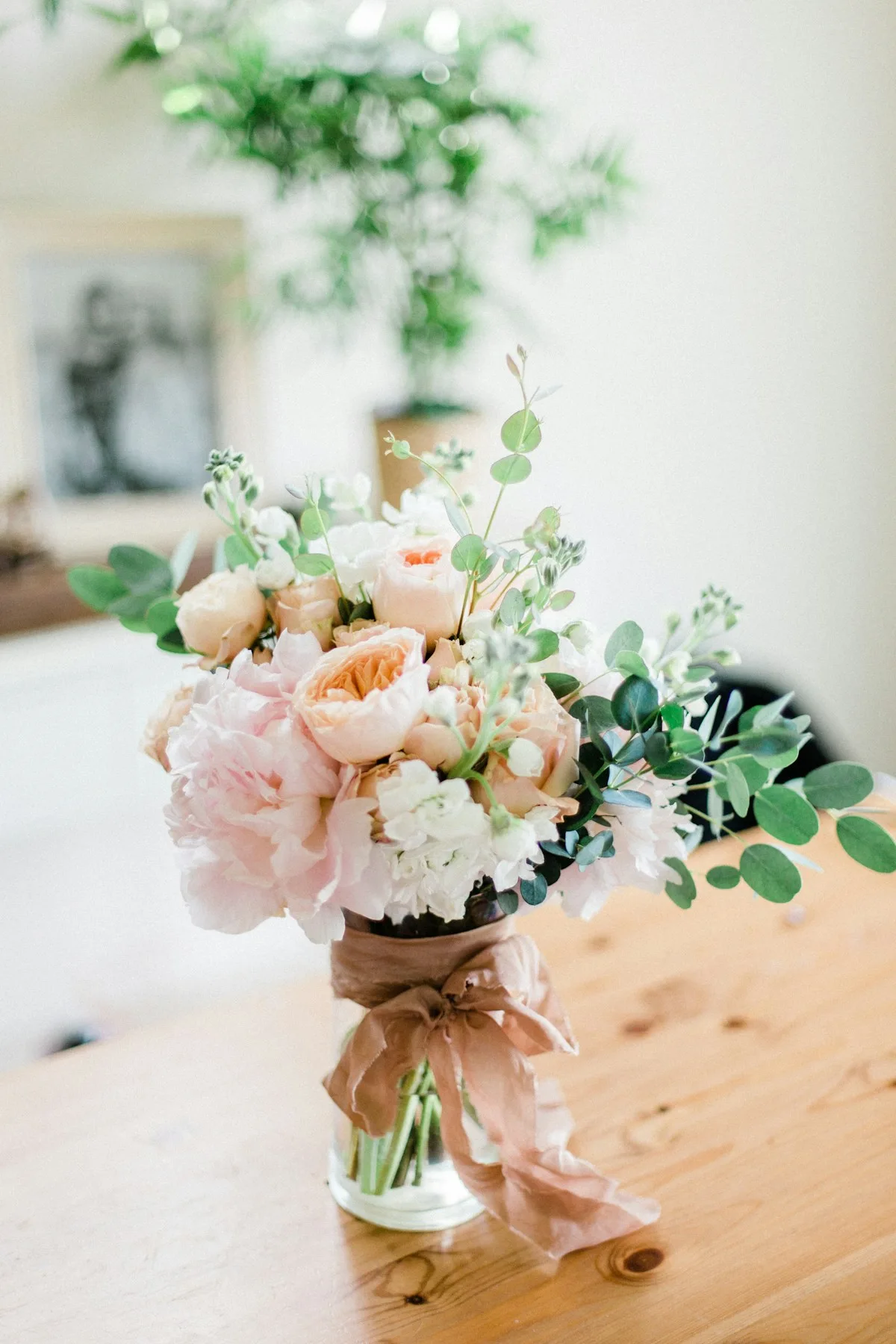
An arrangement of flowers already at home can support a small creative pause without becoming a full painting project. Choose a few colour relationships and give them a limited area of paper. The exercise can remain an observation of what is visible from one ordinary position. It does not need to reproduce every petal, identify every stem or justify buying a new selection of materials before the first useful mark is made.
Select the relationship that interests you
Look at the whole arrangement and notice what draws attention first. A pale group beside darker foliage or a warm centre against a cooler-looking petal can supply enough direction. Choose the actual relationship rather than following a fixed checklist of colours.
Stay with one comfortable appropriate view. Moving repeatedly around the vase can introduce more information than the small page needs. A clear boundary makes it easier to notice the chosen part carefully.
Work with familiar suitable materials
Use existing materials according to their intended purpose and keep the activity appropriate to the household setting. A small test on suitable spare paper can show what the available colours do before the main study begins.
Keep the test as a personal observation rather than an exact matching claim. Light, paper and materials all contribute to the result. The page can remain useful without pretending to measure the flowers objectively.
Record broad areas before detail
Place the main colour groups and the spaces between them. Their relative sizes can explain more than a collection of carefully traced petal edges. Leave enough surrounding area to preserve the relationship that prompted the study.
Add a few descriptive words if useful. A short note about a warm centre or a quiet background can retain the observation without requiring a botanical name or a precise formula for another person to reproduce.
Give the pause a modest ending
Stop when the chosen relationship is clear enough to remember. More detail is optional rather than proof that the activity was worthwhile. A partially filled page can be a complete response to a small question.
Return materials through their ordinary appropriate care routine and leave the flowers in their suitable arrangement. The creative pause should fit around the room's actual uses, not produce an unfinished setup occupying every shared surface.
Keep the study if it offers something worth revisiting, or simply enjoy the time spent looking. The flowers are allowed to be decorative and pleasurable without becoming productive. A small colour observation offers another way to see what is already present, with enough focus to begin easily and enough freedom to finish before the exercise becomes an obligation to create a complete artwork.
Related reading
A Host Bouquet with a Practical Handover, Spacing Existing Frames above a Small Console.
Our approach: practical editorial guidance, without claims of hands-on product testing. How we make recommendations.