Shopping note: retailer links in this guide are ordinary direct links. If a link becomes an affiliate link, it will be identified and we may earn a commission. Read our disclosure.
A printed coat or jacket can provide much of an outfit's visual detail on its own. Begin with a familiar complete base and see what the outer layer contributes. The useful choice supports the actual day without requiring a coordinated accessory collection to explain a pattern that may already be doing enough.
Choose the real base outfit
Use a top and trousers or skirt already suited to the activity. Include appropriate base layers and intended footwear. A quiet base can be useful for the first comparison, but it is an option rather than a rule that printed outerwear must always accompany plain clothes.
Keep the base independently comfortable and complete. The outer layer may come off indoors. Do not select an unsuitable top solely because most of it disappears beneath the print during departure.
Add the garment as designed
Wear the outer layer through its intended fastening arrangement and let the fabric settle naturally. Read relevant product and care information. A printed surface does not establish material or suitability for every condition.
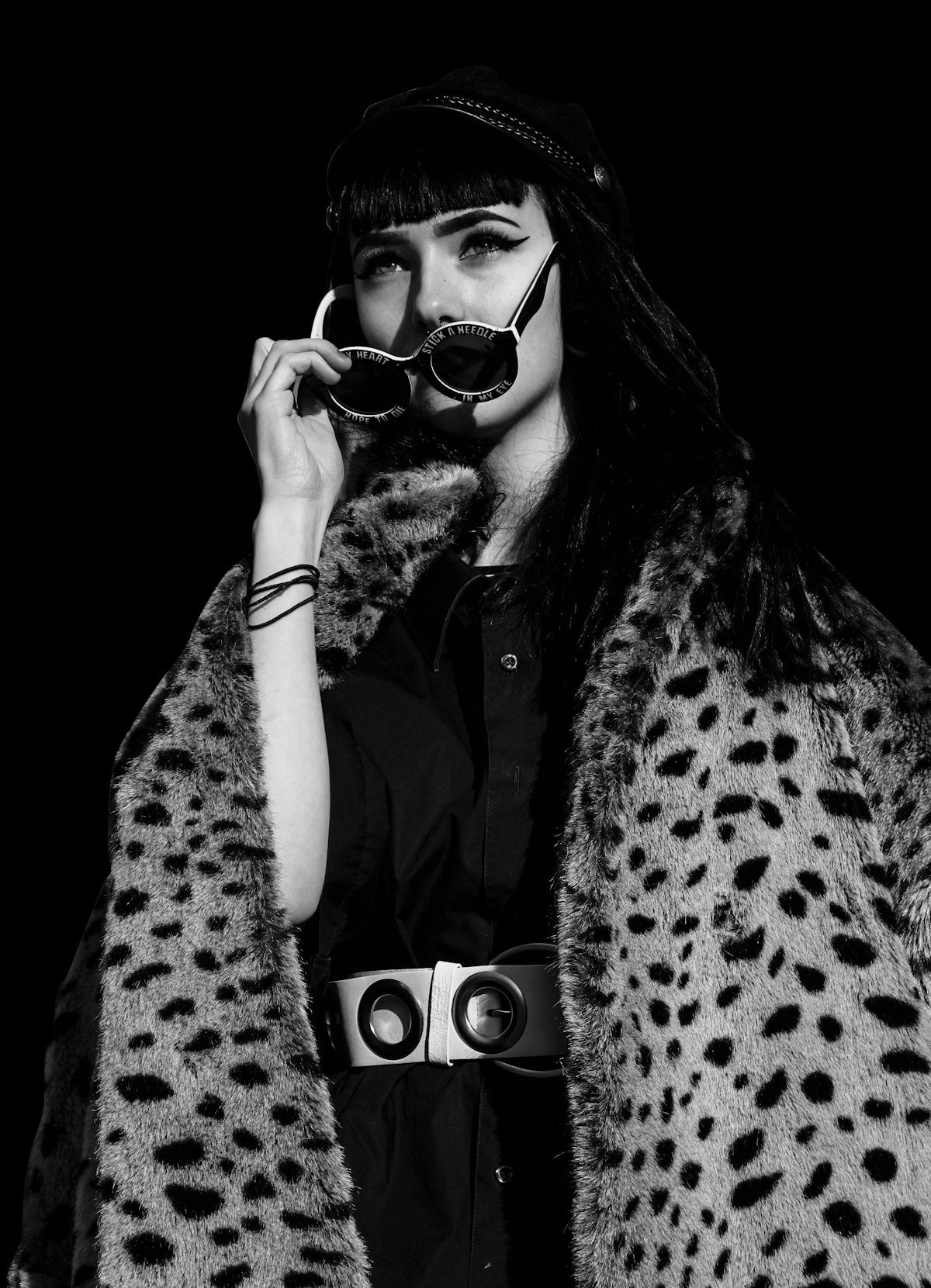
Look at the complete silhouette from ordinary positions. Do not infer the garment's actual colour from a monochrome illustrative image. The comparison concerns the real piece in your wardrobe and your own preference for how its pattern appears.
Include movement and belongings
Sit, walk and move the arms carefully in a suitable space. Notice whether the layers remain manageable or need repeated correction. A successful still view is only one part of the practical decision.
Add the bag and ordinary contents intended for the day, following the products' guidance. A strap can change the outer layer's shape. Keep the carrying role clear rather than choosing an accessory only because a colour or motif appears to coordinate.
Let the print remain enough
Begin without another statement accessory and compare one existing option only if you want to understand that relationship. If the group feels crowded, remove a detail before replacing the base clothing. A smaller choice can be complete.
Avoid buying a matching shoe or bag automatically. Existing pieces may already support the garment well. A printed outer layer does not need to turn the wardrobe into a new theme merely because its design is more visible than the coat worn before it.
Review the indoor transition
Remove the outer garment carefully and use a suitable permitted resting or carrying arrangement in the actual setting. Check current venue information directly where that affects the plan. The outfit includes this transition as well as the moment all layers are worn.
Remember the specific pairing if it works, then return each garment through appropriate care afterward. A practical printed-coat outfit gives familiar clothes another useful relationship. It leaves the pattern as a chosen detail rather than a reason the entire day must be organised around preserving one photographed look.
Related reading
Choose a Transitional Coat for the Layers Beneath It, One Outfit for Coffee, Wandering and Dinner.
Our approach: practical editorial guidance, without claims of hands-on product testing. How we make recommendations.





