Shopping note: retailer links in this guide are ordinary direct links. If a link becomes an affiliate link, it will be identified and we may earn a commission. Read our disclosure.
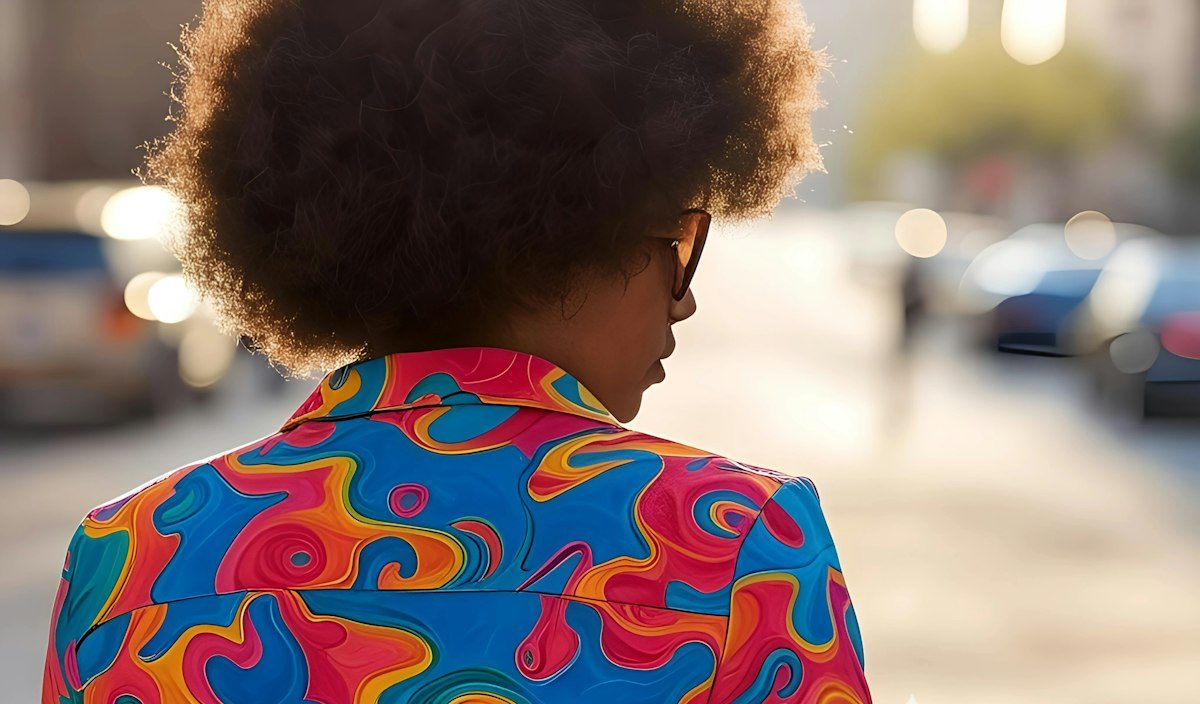
A printed shirt's front can look convincing while the back creates a different visual arrangement. Review the complete garment before ordering. The useful comparison connects the actual print views with the outfit role, rather than asking one attractive section of a product photograph to represent everything the listing has not shown.
Identify the actual option
Keep the selected version clear where several patterns share a product page. A familiar shirt shape does not establish identical details across variants. Read the information attached to the actual option rather than transferring it from another image.
Name the clothing role the shirt needs to serve. Existing trousers, skirt and outer layer can provide a useful reference. Avoid choosing the print first and inventing a sequence of new purchases afterward to make the garment feel justified.
Look at the back deliberately
Review the back view where supplied and notice how the print occupies the full surface. A yoke, seam or fastening can affect the visible relationship. Describe what is shown without diagnosing construction quality from a small image.
If a relevant view is missing, ask the seller where practical. Do not assume the front establishes exact placement elsewhere. Keep the missing detail as an unanswered question rather than using symmetry to invent a result.
Compare scale and ordinary visibility
Look at the complete shirt as well as a close-up. A motif can appear subtle in a detail image while making a stronger contribution across the body. Decide whether that effect suits your preference without turning another person's styling into a rule.
Consider how much of the back remains visible beneath the outer layer intended for the day. The shirt may play a different role indoors and outdoors. Keep both ordinary wearing states in view rather than selecting only the angle where the pattern is most neatly framed.
Read the practical information
Check material, care, fastening and dimensions for the actual garment. A printed surface does not establish suitability or fit. Use compatible measurement methods where a reference garment helps, and clarify an important missing detail before committing.
Where an appropriate fitting process is available, follow the seller's current conditions and try ordinary movement. Let the shirt settle without holding the fabric into a preferred arrangement. The back view should remain part of the complete outfit comparison.
Make a complete decision
Review the understood information against the original wardrobe role. An unresolved question can be a reason to wait rather than buy because the image is appealing. The time spent clarifying a garment is useful even when the outcome is no purchase.
Retain relevant product and order information if you proceed. A considered printed-shirt choice supports an actual outfit from ordinary views and positions. It gives the wardrobe an understood garment, rather than a front photograph whose unexamined back becomes a surprise after the first wearing.
Related reading
A Graphic Top with Familiar Plain Separates, A Creative Office Wardrobe Without a Second Closet.
Our approach: practical editorial guidance, without claims of hands-on product testing. How we make recommendations.





