Shopping note: retailer links in this guide are ordinary direct links. If a link becomes an affiliate link, it will be identified and we may earn a commission. Read our disclosure.
A book's cover can identify a title you want while telling you little about the pages you will actually read. Two editions of the same work can present text, notes and illustrations differently. Compare a representative page before choosing the copy. The aim is a format that suits your ordinary use, not a universal verdict about which edition every reader should prefer.
Identify the edition first
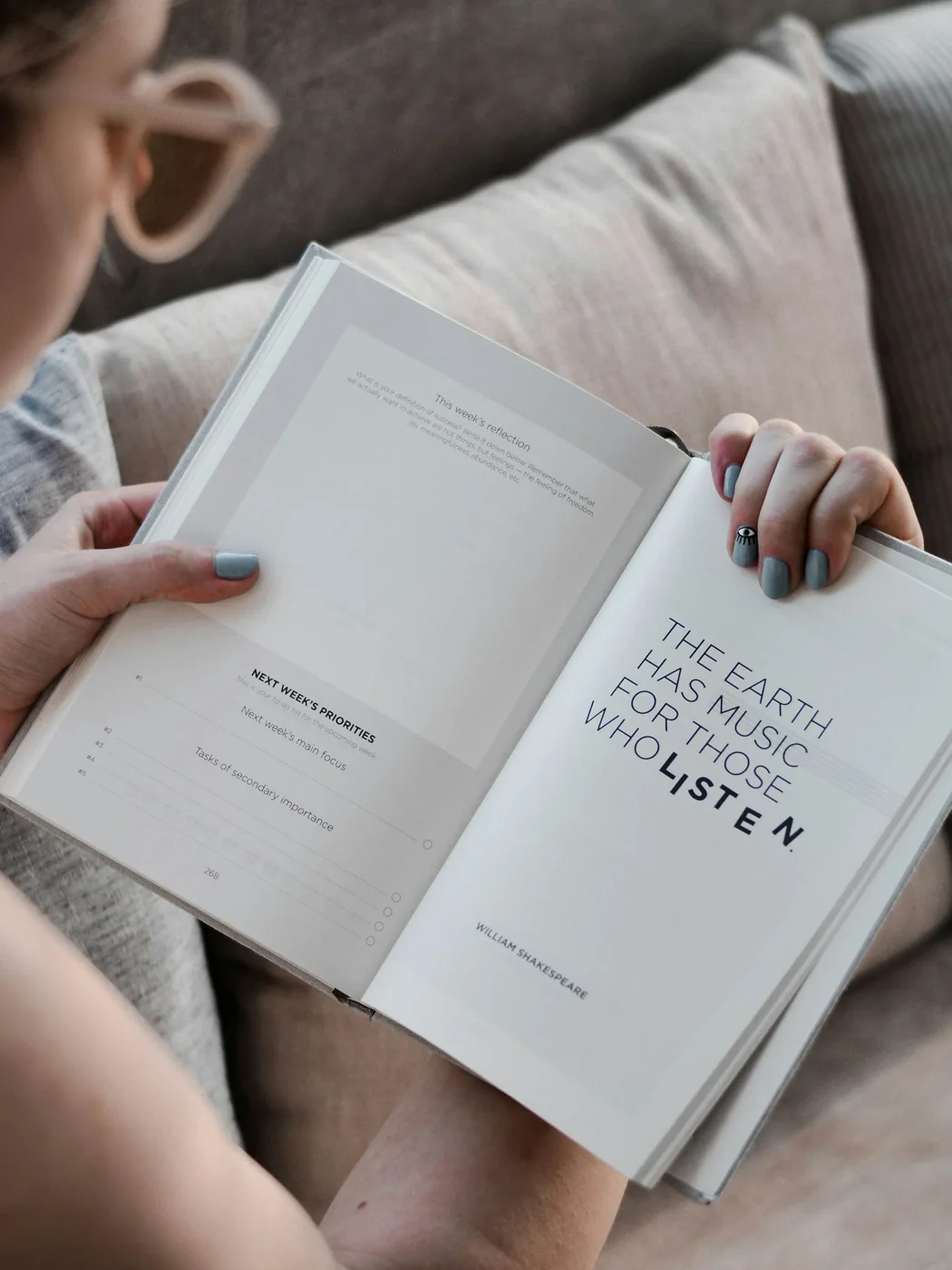
Keep the exact publication reference with the candidate. A title alone can refer to several formats, languages or versions. A photograph of an open book illustrates reading without establishing the layout of another edition sold under the same name.
Read the actual supplied description rather than assuming a familiar cover guarantees identical contents. If a detail important to your use remains unclear, preserve that as a question for the appropriate source rather than filling the gap from another copy.
Look at an ordinary page
Where a legitimate preview or permitted browsing copy is available, choose a representative text page. A decorative title page may show the book attractively without revealing the layout encountered through most of the reading.
Notice type, line spacing and the amount of text on the page as personal preferences. A layout that one reader enjoys may not be another's choice. The comparison can remain concrete without making general claims about what improves everyone's reading.
Include notes and illustrations
If notes matter to the work, look at how they connect with the main text. A nearby note and a separate section require different page movements. Decide which actual arrangement you prefer rather than assuming more notes automatically mean a more useful copy.
Read the stated scope of illustrations or supplementary material. An appealing sample image does not establish how much of that material appears throughout the edition. Keep the candidate's actual information distinct from the preview's selected pages.
Try the ordinary handling
Within the relevant browsing arrangement, consider how the book would be used in the places you actually read. A large format may offer one page experience while taking more room beside a chair. A smaller copy can create a different practical tradeoff.
Handle the actual object according to its ownership and appropriate care. Do not force a spine or mark pages to test a purchase idea. A simple observation can preserve the question without changing a copy that is not yours.
Choose the role, then the copy
Name whether the book is intended for long reading, occasional reference or another defined purpose. That context helps interpret the layout differences without turning the comparison into a search for one perfect format for every use.
Keep the exact edition and reason for the choice in a short note. A broader margin or a convenient note arrangement can be a useful preference even when it is not visible in the most attractive cover photograph. The chosen copy then belongs to an actual reading routine rather than a shelf image assembled around its appearance.
Related reading
Make a Reading Corner You Will Actually Use, Give Borrowed Books a Clear Return Reference on the Shelf.
Our approach: practical editorial guidance, without claims of hands-on product testing. How we make recommendations.