Shopping note: retailer links in this guide are ordinary direct links. If a link becomes an affiliate link, it will be identified and we may earn a commission. Read our disclosure.
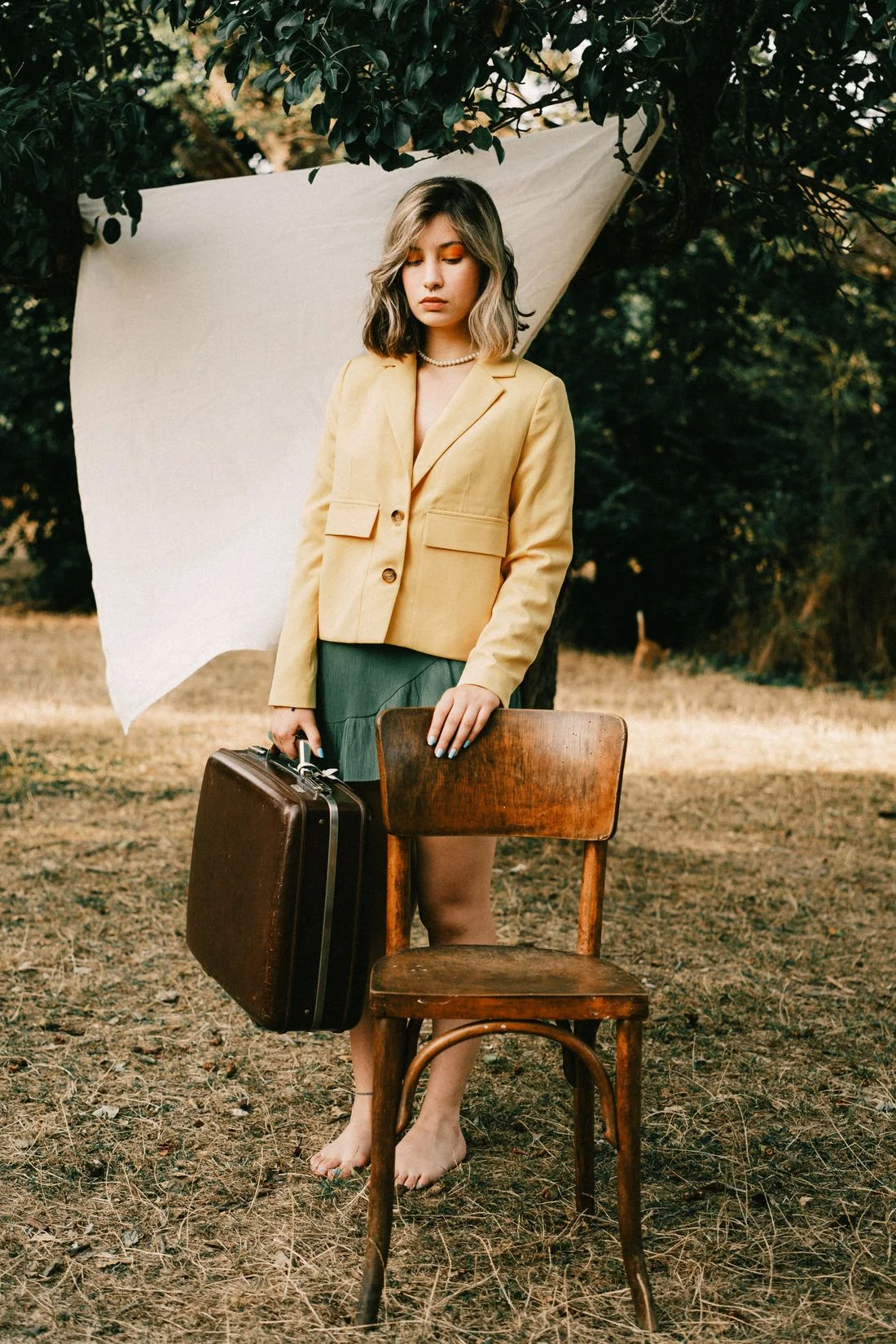
A structured carrying case can give tailored separates a distinct visual relationship, but the carrying task remains part of the outfit. Use the actual contents and intended operation before keeping the combination. A case held briefly for a photograph does not represent the whole practical arrangement of a day away from home.
Identify the case’s actual role
Read the maker's information and choose a use consistent with the product. A rigid-looking shape does not establish that the object is intended for every journey, load or activity. Keep the practical role clear before letting its appearance guide the rest of the clothing.
Check relevant current operator or venue requirements directly where they affect the plan. A visually appropriate case is not automatically accepted in every setting. The outfit comparison should sit alongside those actual arrangements rather than replace them.
Use familiar clothing
Begin with tailored pieces already suited to the activity. Keep comfort and intended use central, and include the ordinary base layers. A carrying case should not become a reason to choose clothing that only works while standing still.
Use the shoes planned for the day where an appropriate comparison is possible. The complete silhouette includes the footwear, but its practical suitability matters independently. Do not select an unsuitable pair solely to preserve a vintage-looking image.
Add the real load
Pack the case within its intended use and operate its closures as instructed. An empty object can feel and sit differently once contents are added. Avoid using random heavy items to simulate a more demanding task than the actual day requires.
Hold or carry the case through its intended handles or components. Decorative hardware should not be assigned a function based on appearance. If operation is unclear, obtain reliable information before relying on the object.
Review ordinary movement
Walk, sit and stand carefully in a suitable space. Notice how the case meets the clothing and whether the carrying position remains manageable. A successful colour or shape relationship does not resolve an awkward load.
Include the other belongings genuinely needed for the day. A coat, day bag and structured case can create a different task from the case alone. Simplify an unnecessary extra before assuming a new carrying accessory is the only answer.
Keep the arrival transition clear
Use an appropriate permitted position for the case during the actual activity. Confirm relevant storage arrangements where necessary rather than assuming a spare surface will be available. The case's role includes temporary return as well as carrying.
Remember the specific clothing and load that worked, without claiming every similar-looking case will behave identically. A considered structured-case outfit supports the whole day's practical transitions. Its visual character remains a chosen detail rather than a photograph that concealed how the belongings would actually be managed.
Related reading
An Everyday Bag Guide That Starts With What You Carry, What to Wear for a Long Train Journey.
Our approach: practical editorial guidance, without claims of hands-on product testing. How we make recommendations.





