Shopping note: retailer links in this guide are ordinary direct links. If a link becomes an affiliate link, it will be identified and we may earn a commission. Read our disclosure.
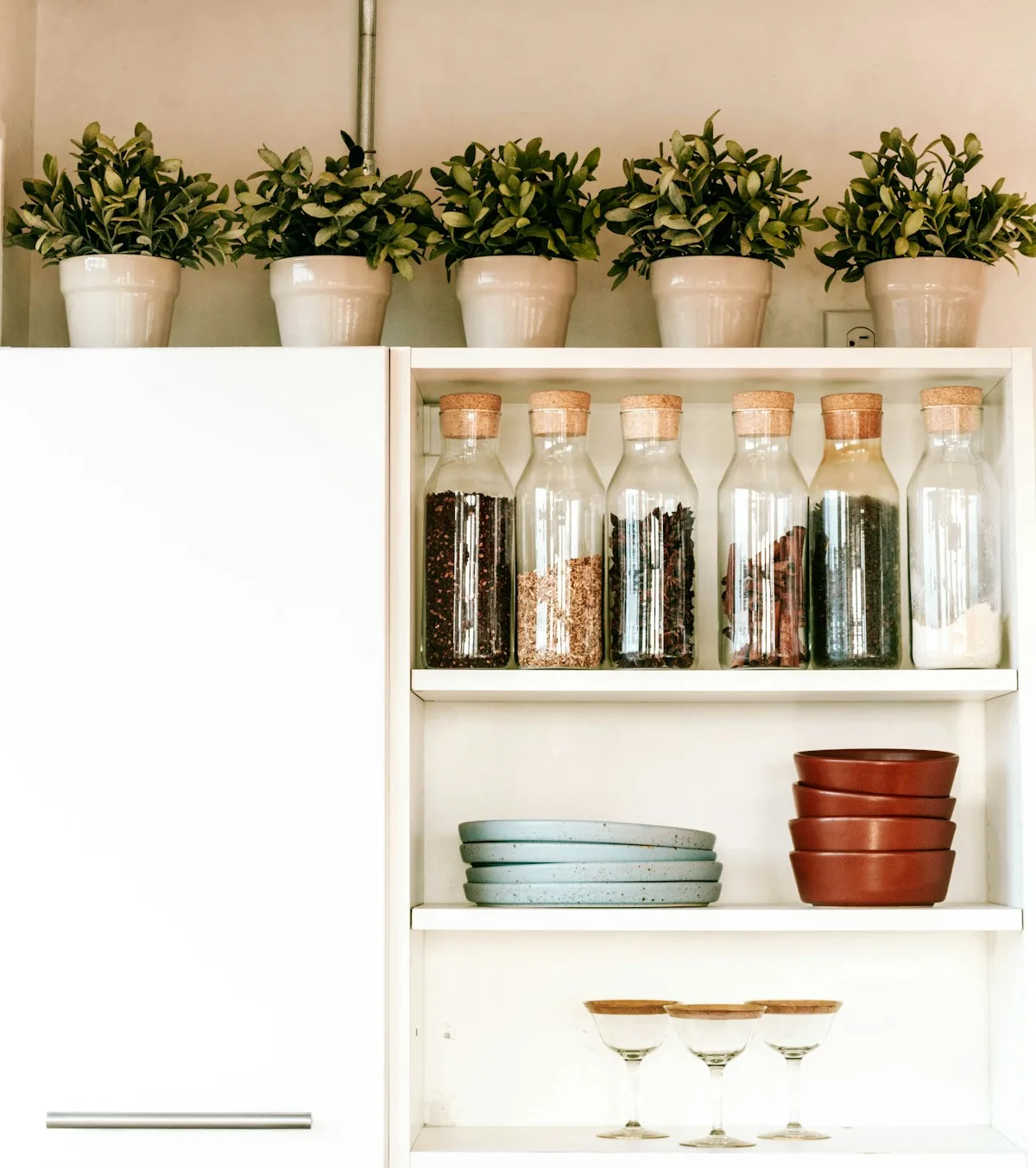
Pantry jars can make ingredients visible and remove the information needed to use them appropriately. Similar-looking contents, missing instructions and uncertain dates can create more work than the original packaging. Choose decanting for a clear practical reason. A coordinated shelf is not enough by itself. The useful arrangement preserves identity and relevant guidance while making everyday access and replenishment straightforward.
Decide what should be transferred
Read the food's storage information and the container's intended use. A decorative jar is not automatically suitable for food contact or every condition. Some products may be better left in their original packaging. Choose according to the actual item rather than transferring the entire cupboard for visual consistency. Do not assume a new container improves shelf life or overrides the original instructions.
Keep essential information linked
Use a readable label naming the contents clearly. Retain relevant original details such as ingredients, allergen statements, preparation information, dates and batch identification where needed. Do not rely on colour or memory to distinguish similar powders. A separate record can help only if it stays connected to the correct jar. Make the arrangement understandable to other people using the kitchen, not only the person who filled it.
Check the opening and cleaning access
Try the appropriate scoop or measuring utensil and consider how the jar will be emptied. A narrow neck can make a daily task awkward. Read lid, seal and care instructions. The shape should allow suitable cleaning through the intended method rather than leaving inaccessible corners. A clear vessel that is hard to maintain may be less practical than original packaging stored in a simple organised cupboard.
Establish a refill routine
Follow product and container guidance and make sure the jar is ready for use. Avoid mixing unidentified old and new contents merely to keep the shelf looking full. Preserve useful date and batch information and handle stock appropriately. A container does not create a new universal storage period. The refill decision should remain connected to the original product rather than the appearance of spare space beneath the lid.
Arrange the shelf for handling
Keep frequent items within comfortable reach and follow shelf loading guidance. Full glass jars can be heavy. Leave enough room to lift one without catching the shelf above or moving several others. Small clear groups can be more useful than a continuous row. A gap supports returning the jar and can reveal what needs checking before shopping.
What if labels interrupt the display?
Clarity belongs to the jar's function. Choose a simple readable format rather than hiding information for a uniform look. If maintaining the records is impractical, use original packaging appropriately. The successful pantry storage makes ingredients easier to identify and use, with guidance available and replenishment clear. It should create a more understandable kitchen rather than a prettier shelf that depends on one person's memory.
Related reading
A Relaxed Dinner Table Built from Everyday Pieces, An Entryway That Makes Leaving Home Easier.
Our approach: practical editorial guidance, without claims of hands-on product testing. How we make recommendations.





